Nixra
Character consistency was solved years ago. What nobody solved was the rest of the job: a face you can book like a model, light you can set like a gaffer, and a finished shot you would put your name to. Nixra is that studio. One person drew it, built it and runs it.
The same person, again.
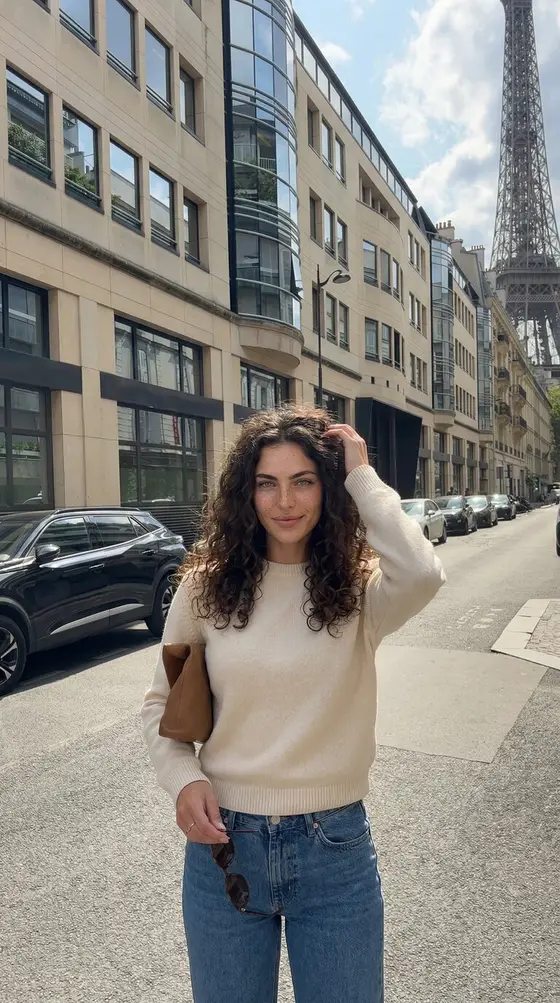
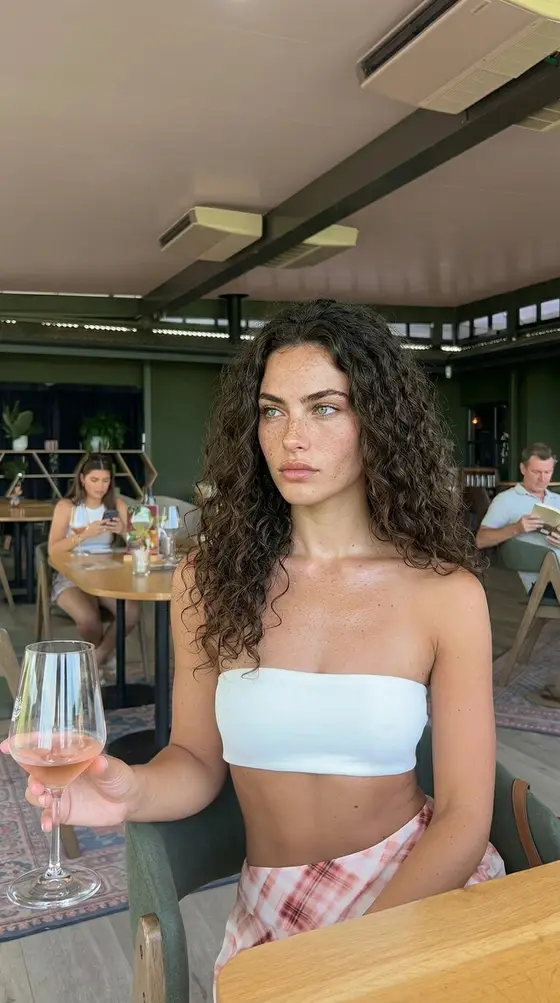
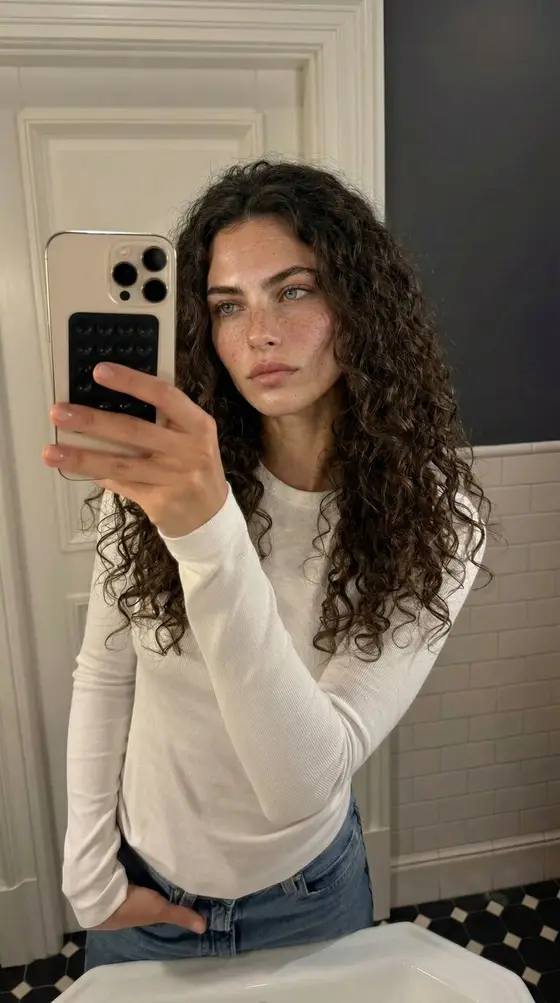
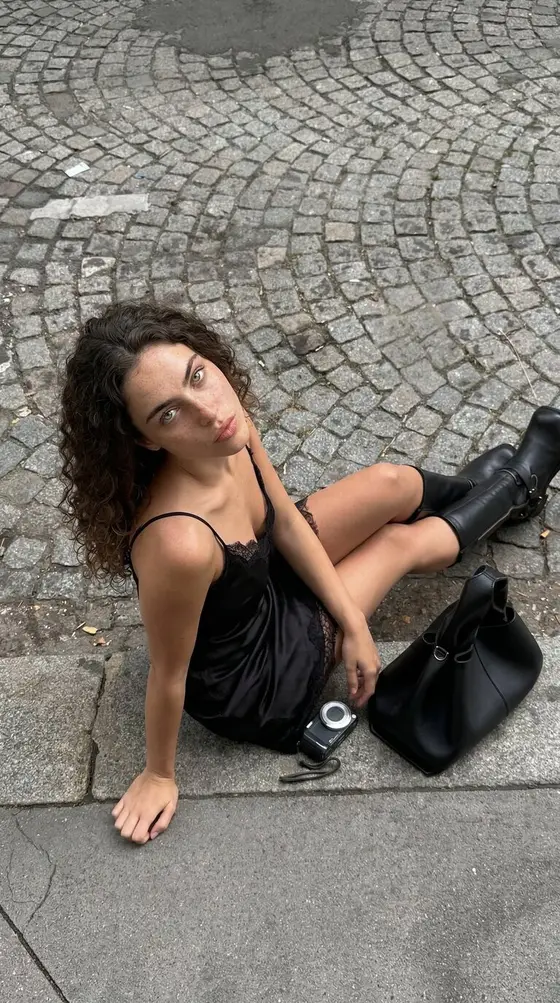
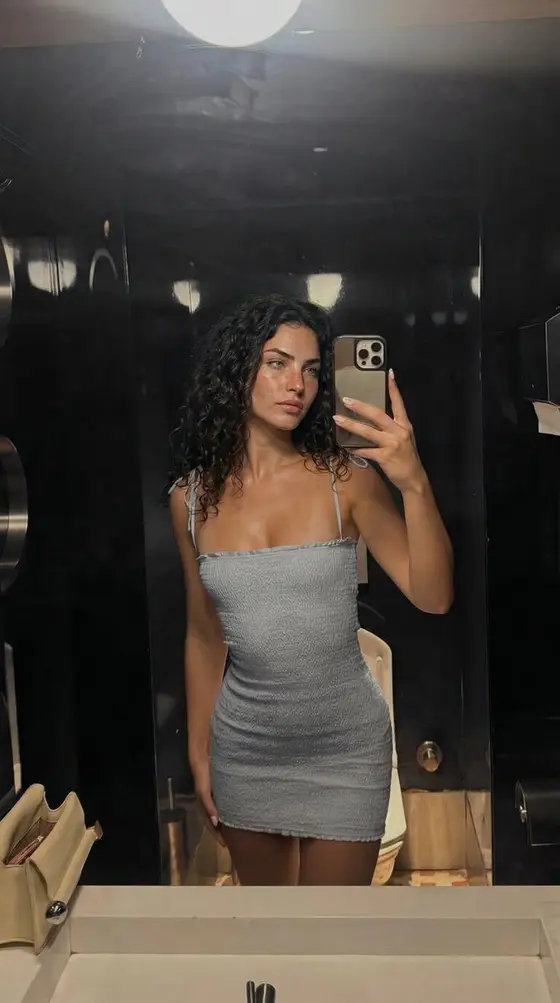
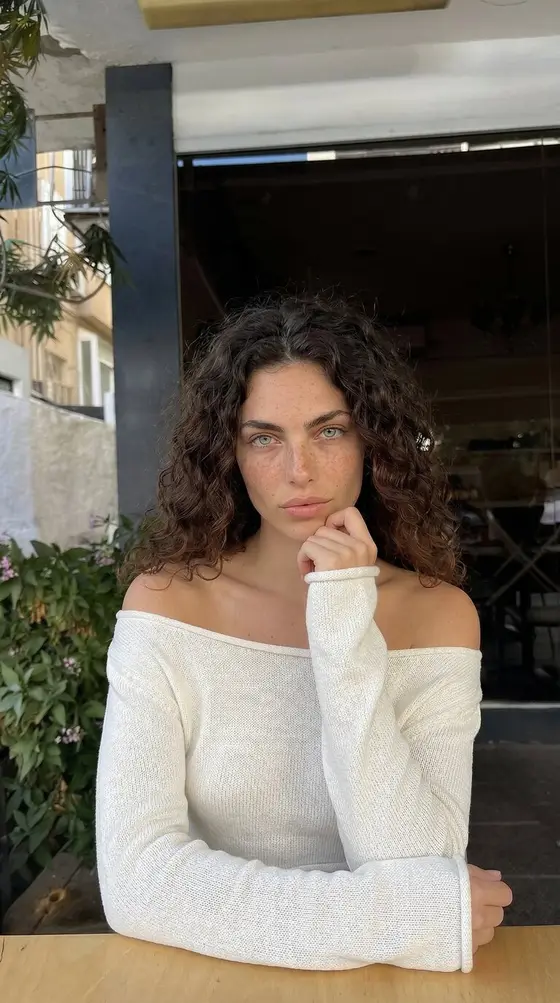
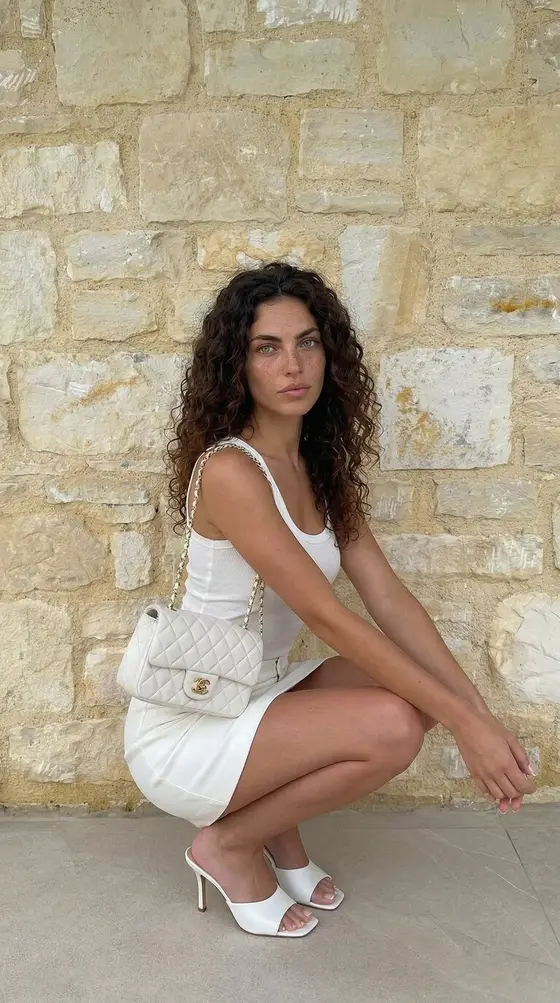
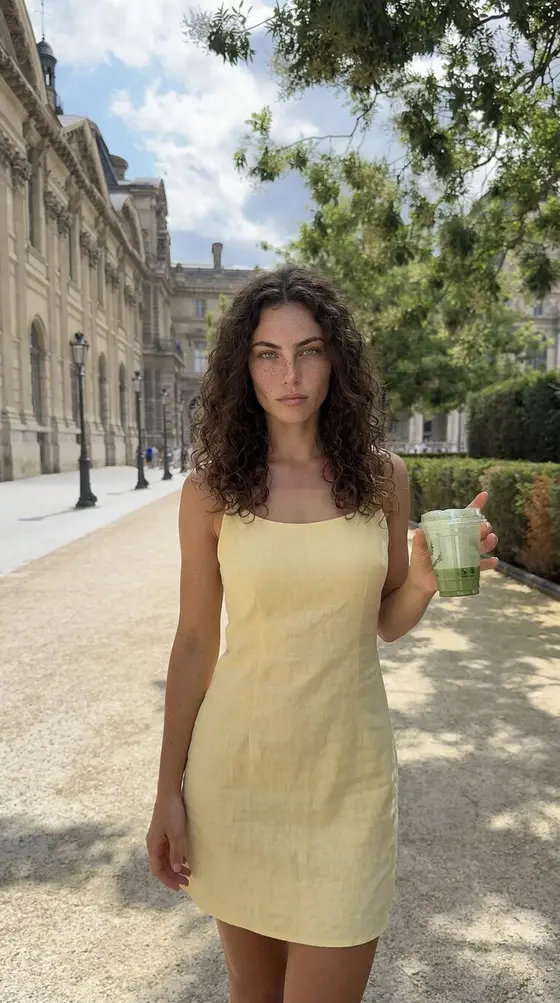
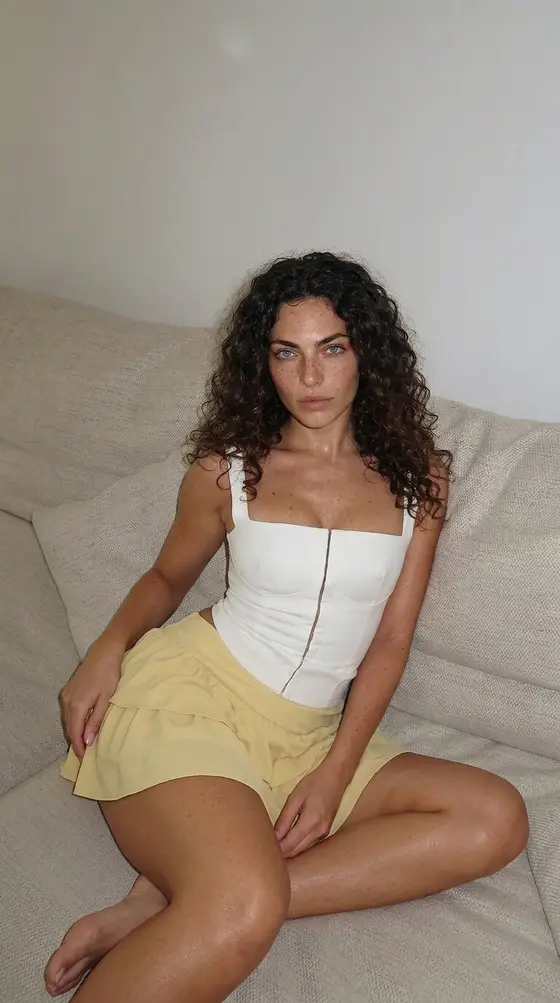
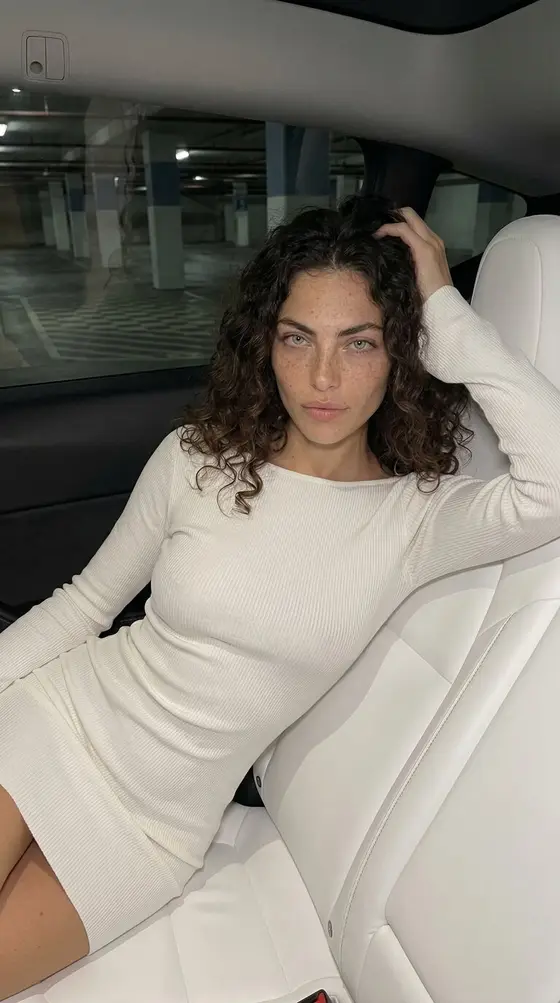
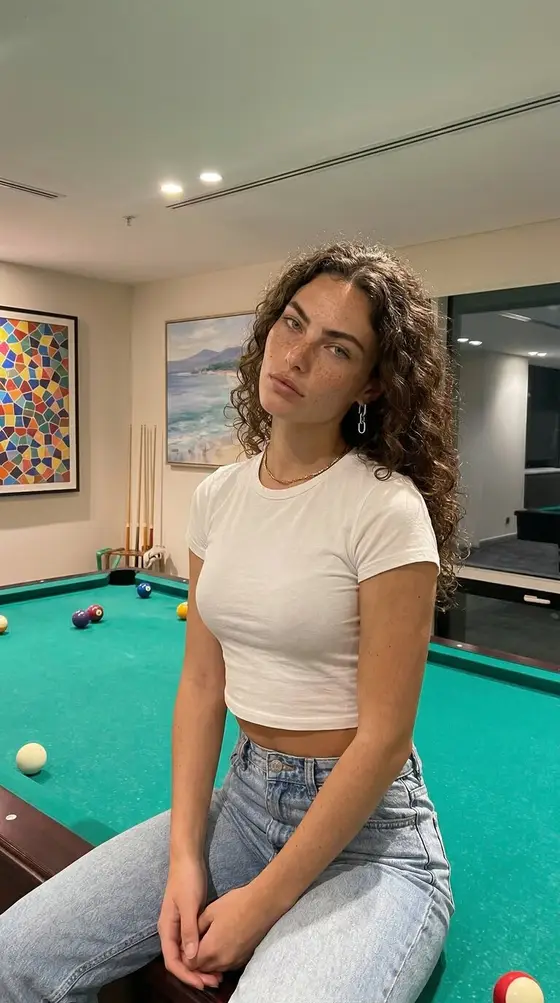
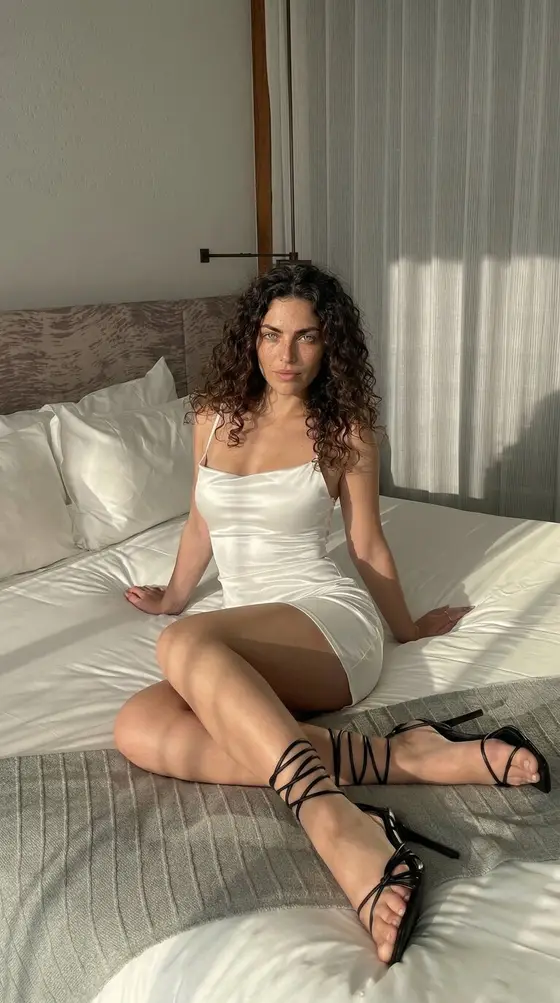
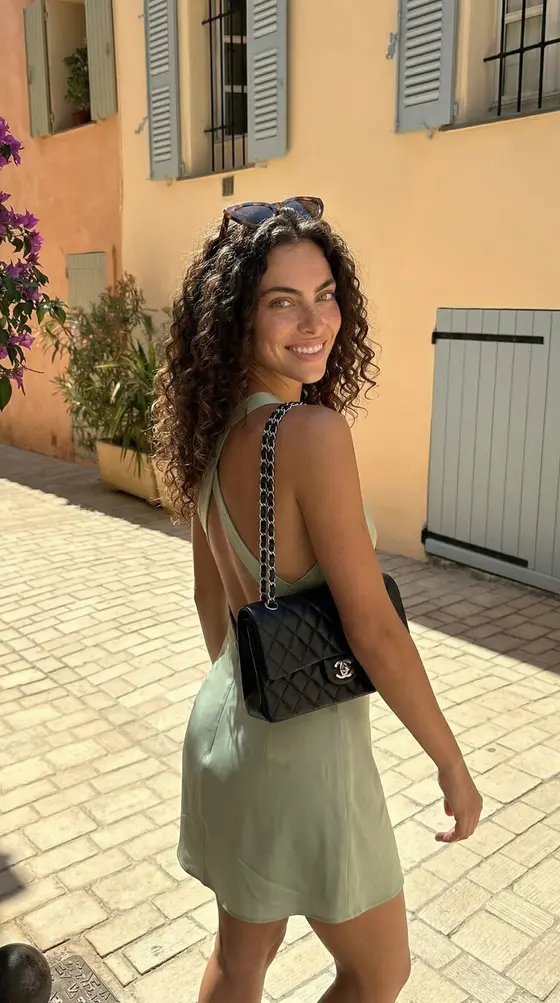
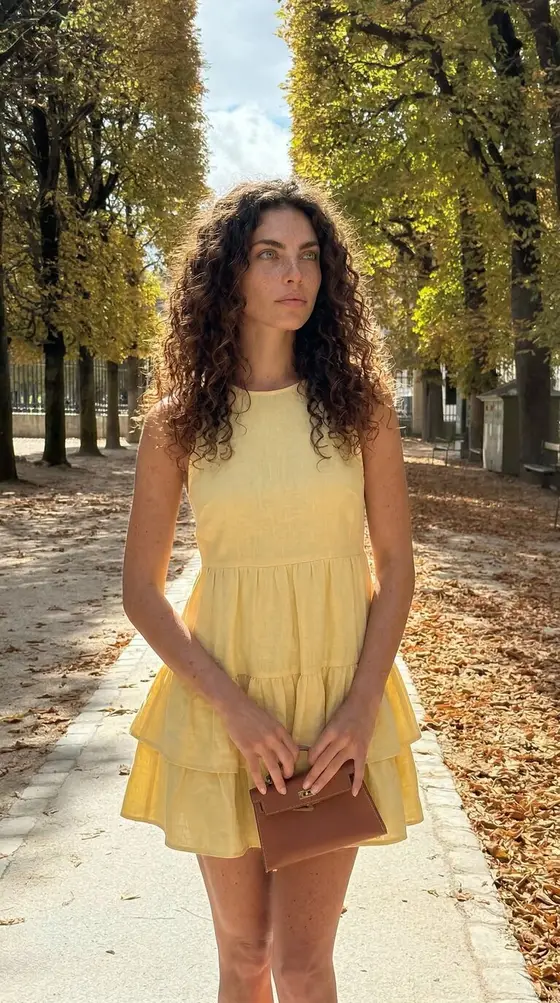
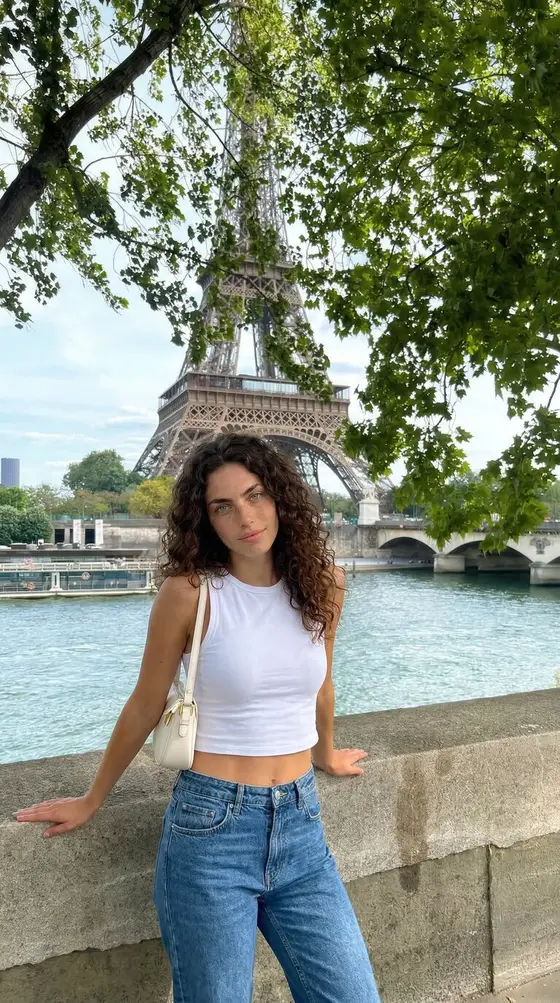
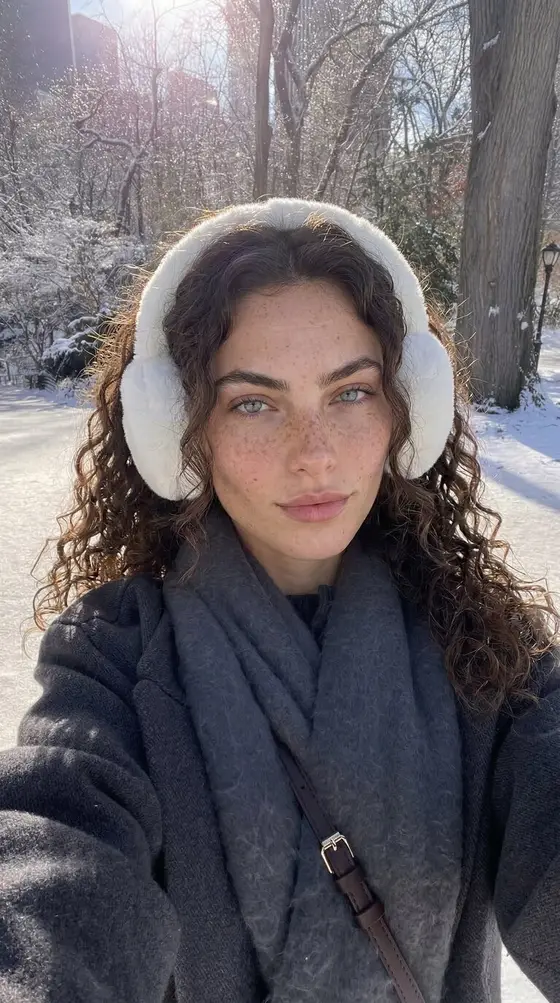
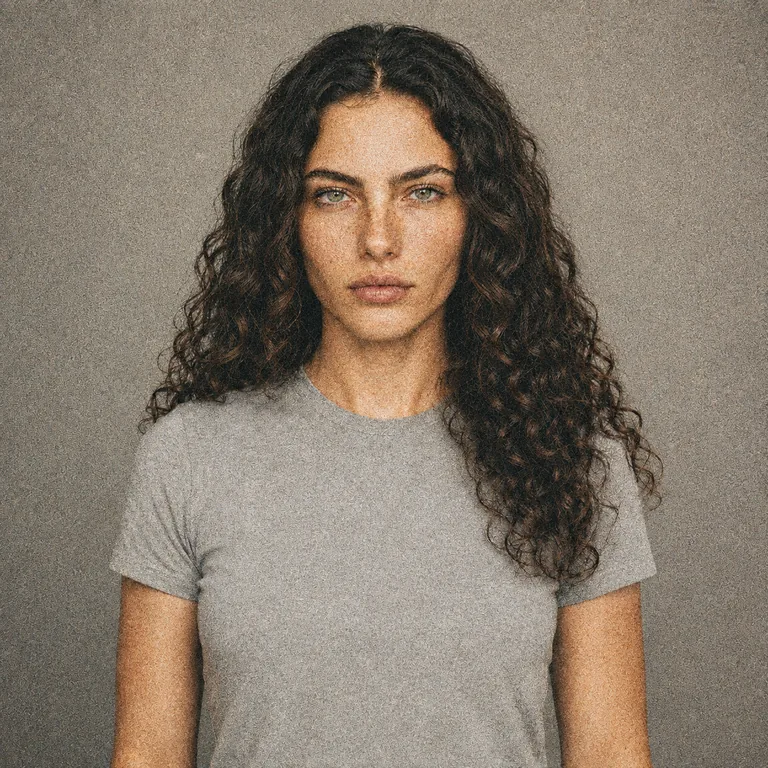
Ask a generator for a portrait and you get a stranger. A beautiful one, maybe. Ask again and you get a different stranger. Fine for a mood board, useless for a brand, because a brand is one face, one wardrobe, one way of standing in the light, and then a thousand pictures of it. Nixra starts there. Save the person once. Keep them.
Then stop typing. A photographer does not describe a shot, they set it. So the controls are the ones you would find in their hands: lens, light, film, weather, angle, each with a real value that does the same thing every time. Turn the dial and the picture changes. The person does not. The wall below is forty three proofs of that.
Forty three frames · one saved character · nothing else shared
loading 00drag to turn · click a frame to hold it
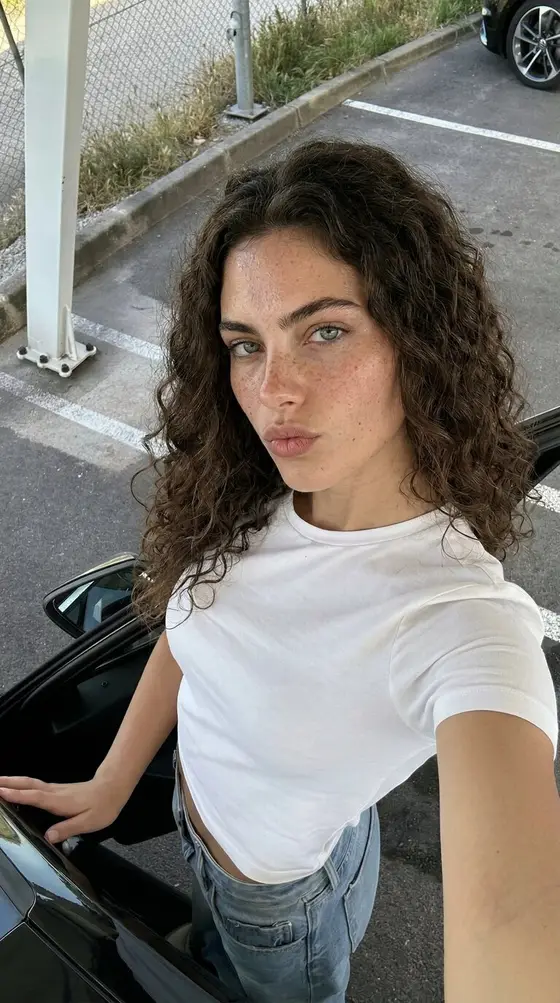
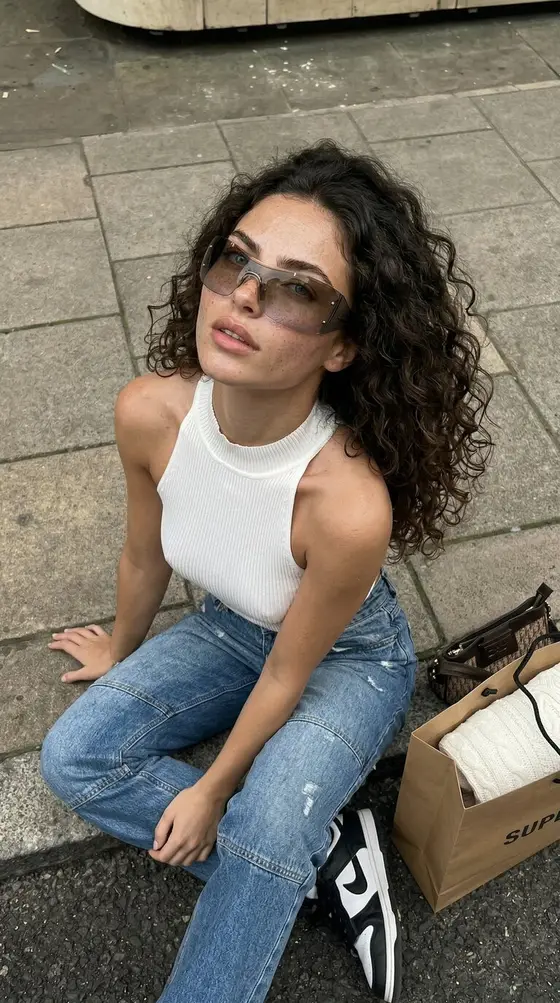
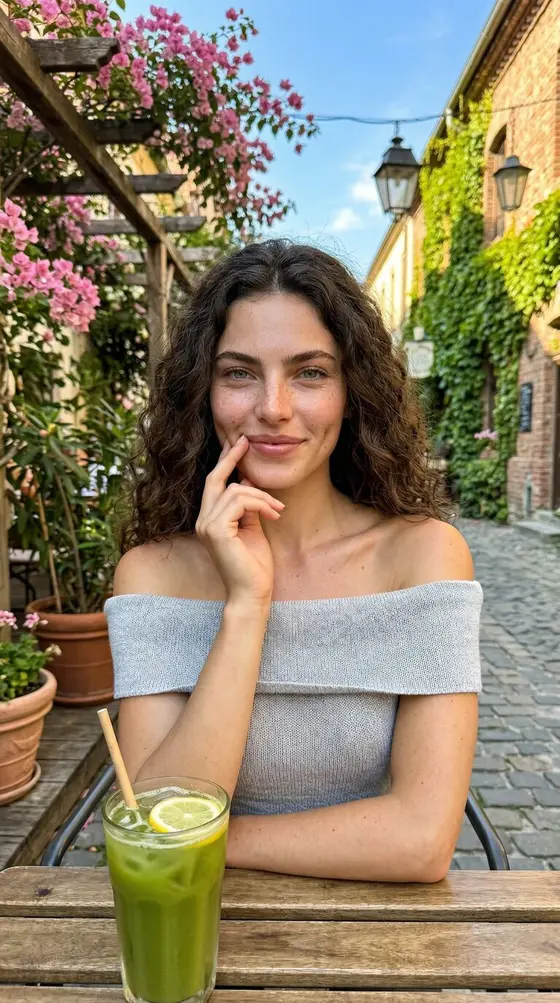
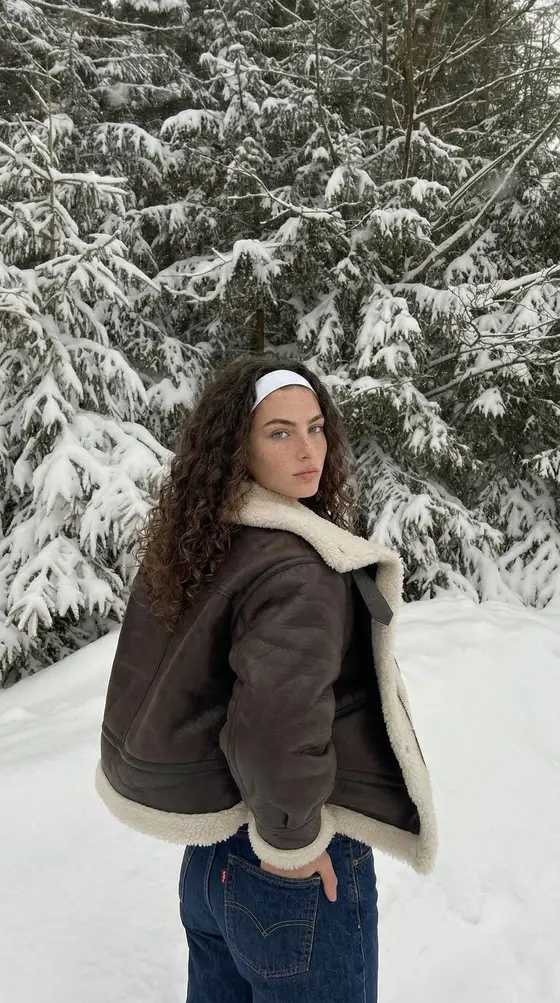
Same saved character. Different country, wardrobe, light and lens. None of it from the same prompt, all of it the same person.













Six systems, and what each one owns.
On set, every question has an owner. Who is in the shot. What lens. What sky. Where the camera stands. Nixra is built the same way: six systems, each answering one of those questions, each enforced in code so the answer holds. The face comes first, because without it nothing else matters.
The rest change the shot without touching the person. The camera, the sky and the angle move around them. The medium paints over the top and never underneath. The frame is the shortcut, a finished photograph the character simply steps into. Every count on this page is read from the platform as it runs.
Save them once.
Not a lookalike. The same person, every time, in every system. Build them once, with their looks and their wardrobe, and they turn up on set for as long as you need them.
2 · 5 · 20 saved characters, with looks and a wardrobe 43 · Car seat, night
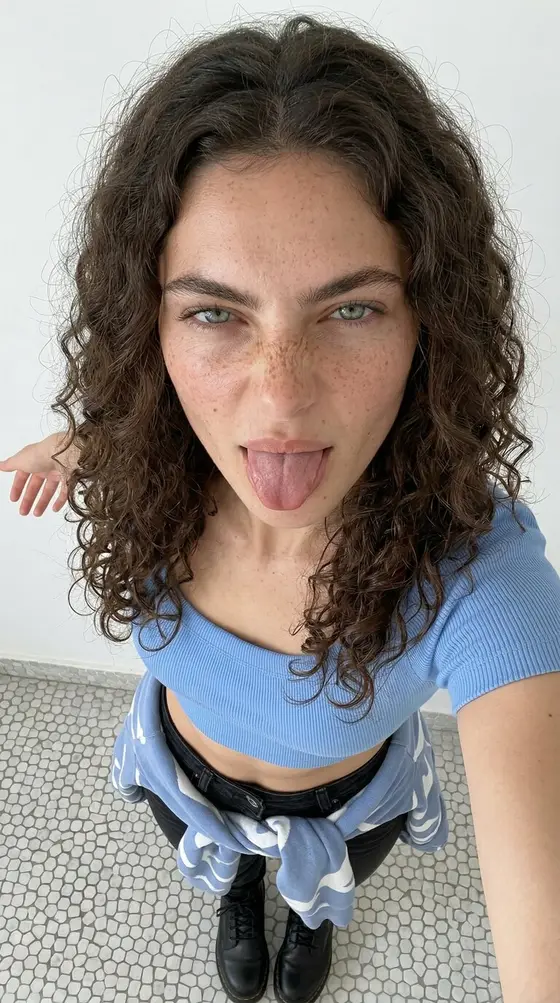 03 · Bathroom mirror, tongue out
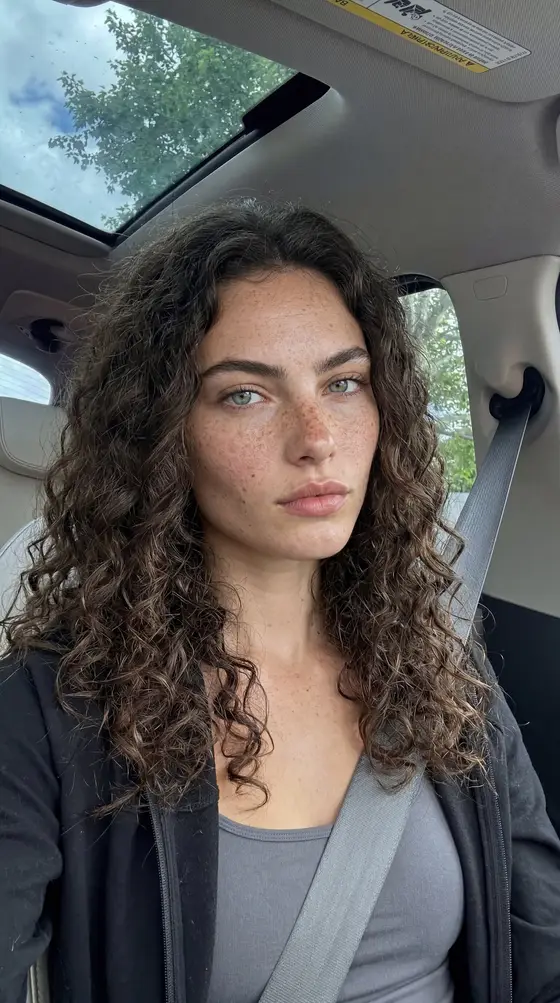 41 · Car, grey hoodie
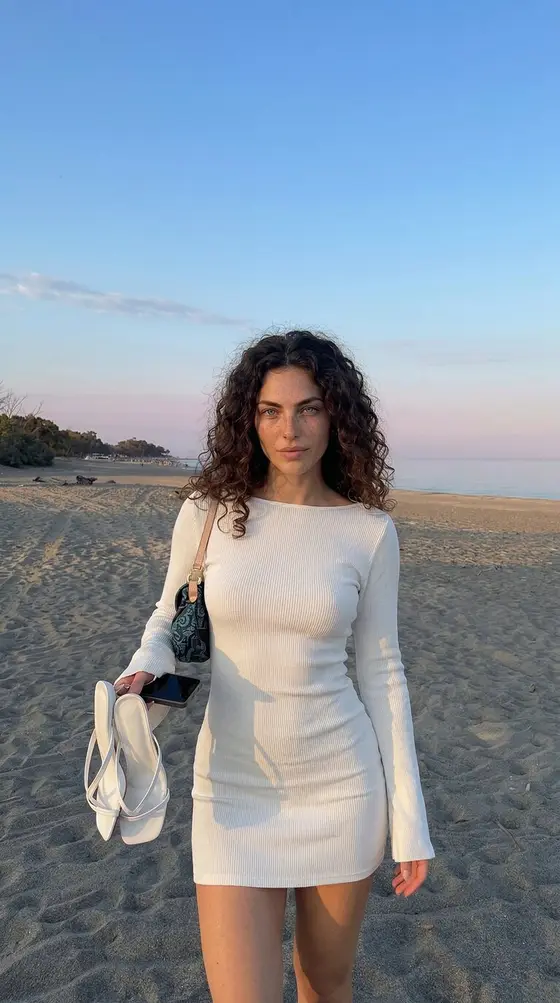 17 · Beach, dusk
A camera, not a text box.
Eighty two controls a photographer would recognise on sight, grouped the way they would group them. Pick a 35mm, push the flash, load a film stock. The values under each picture are the ones that made it, so a good shot can be made again.
742 options · 13 groups · 82 controls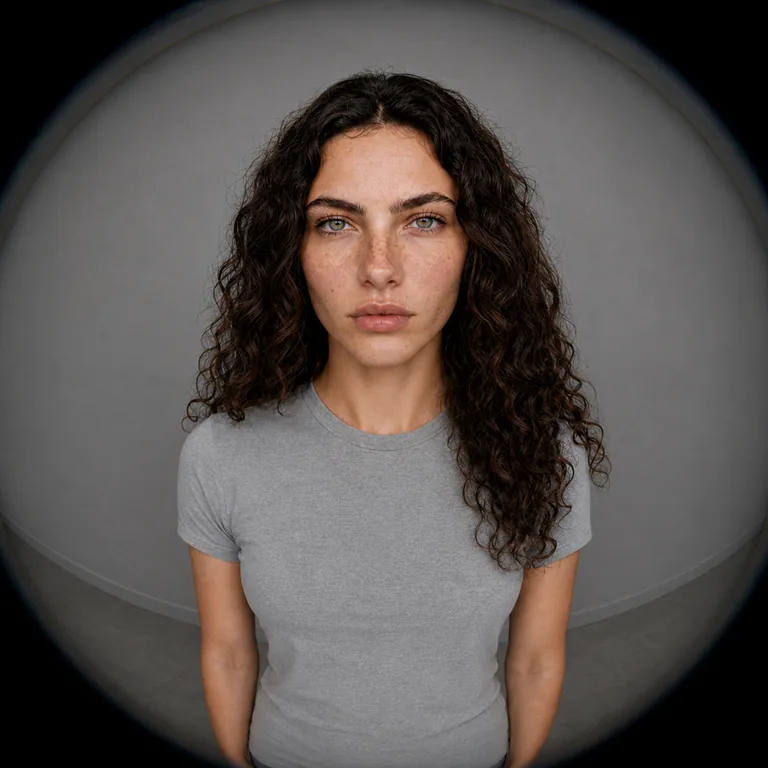 Lens & focal length
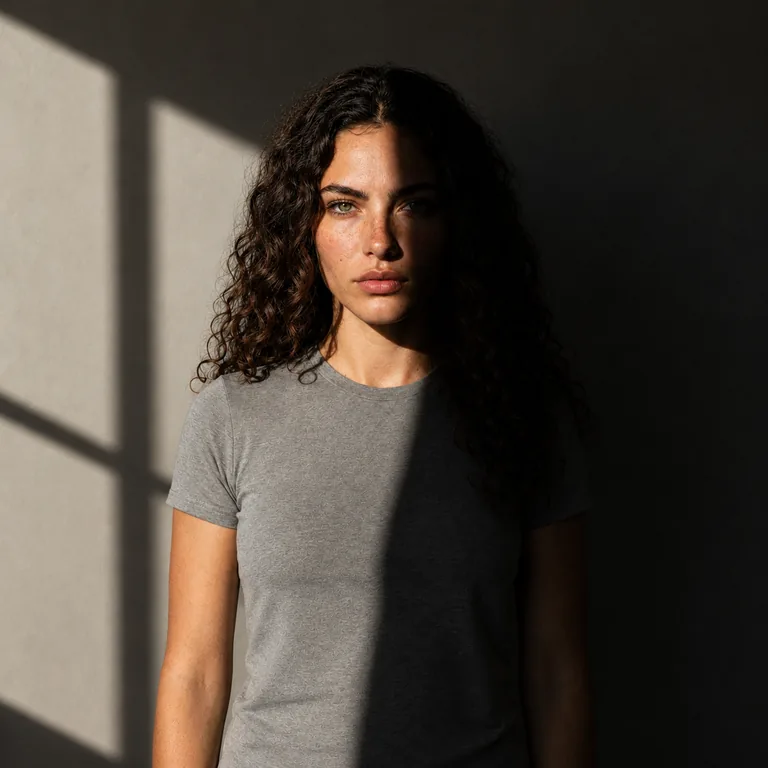 Lighting
 Film
Film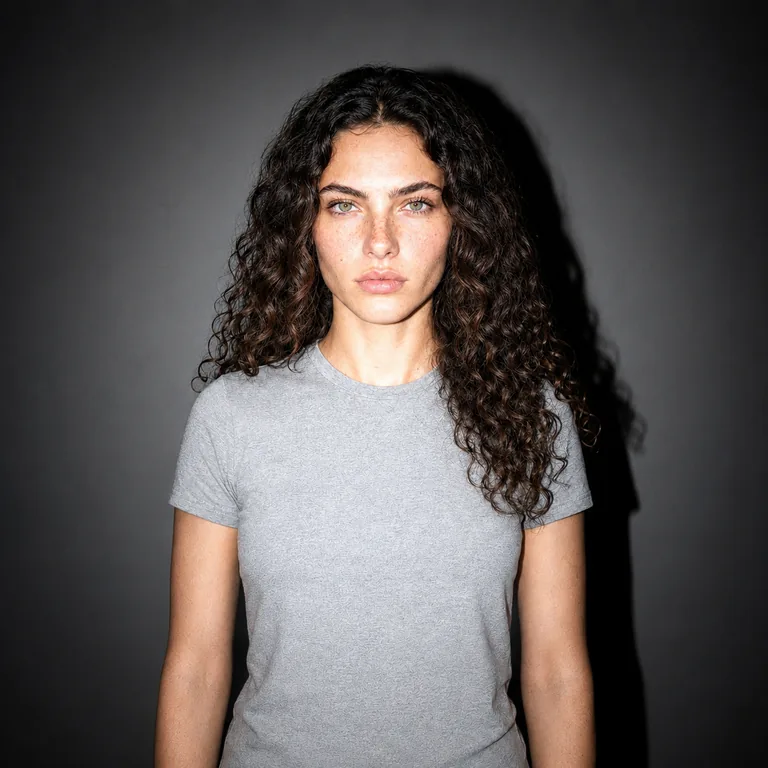 Flash
FlashSchedule the sky.
Clear morning, low fog, a storm rolling in. Cloud, haze, wet ground, snow depth. The scene stays, the light behaves, and the person in it does not flinch. Same tree, nine skies, one afternoon.
344 controls · 19 weather categories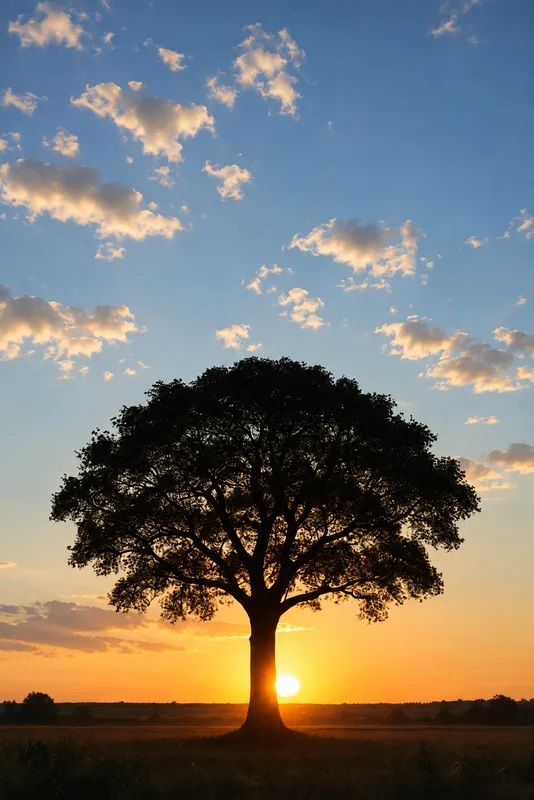

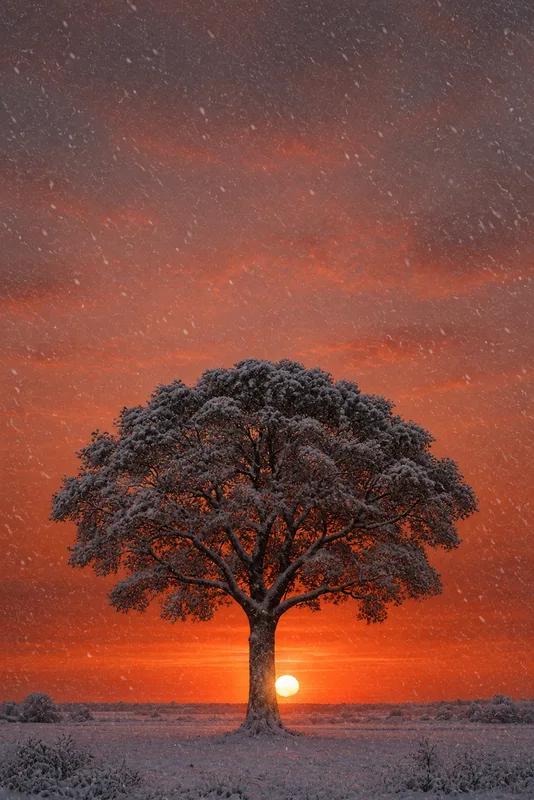 Clear · storm · snow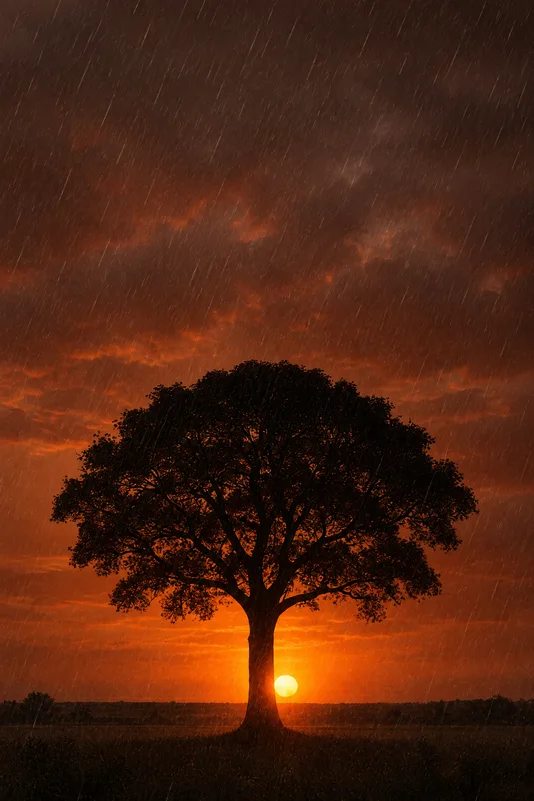
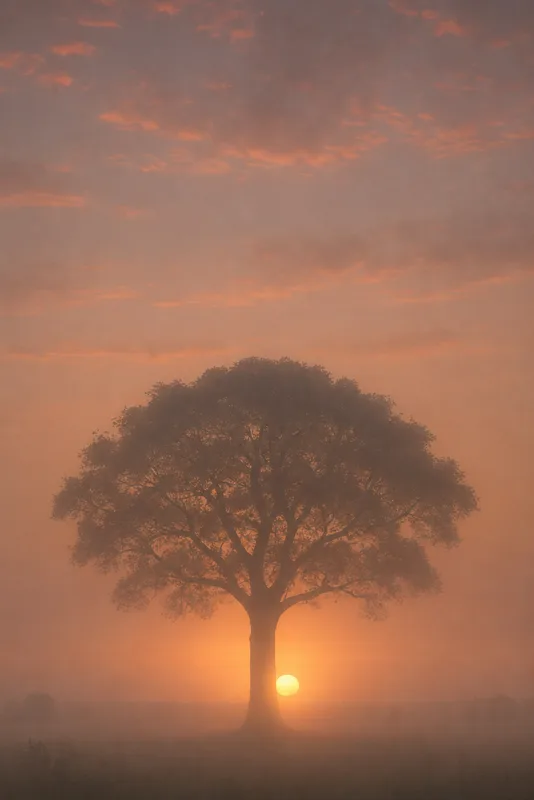
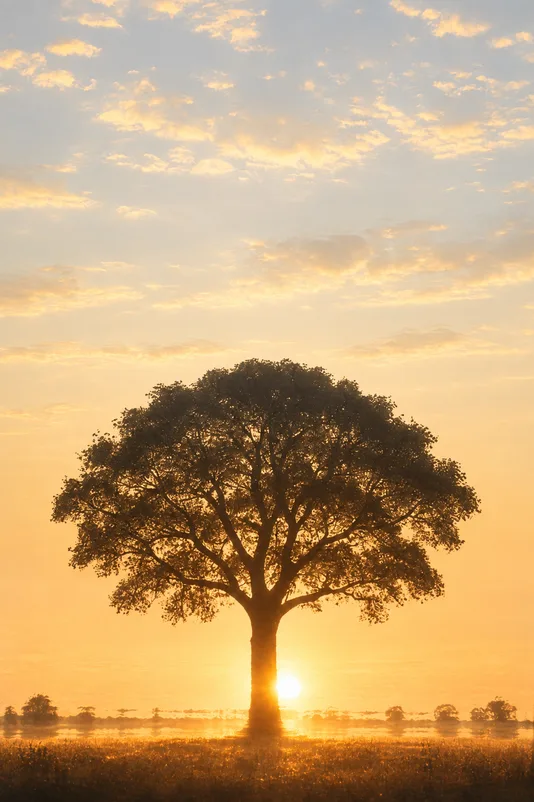 Rain · fog · heat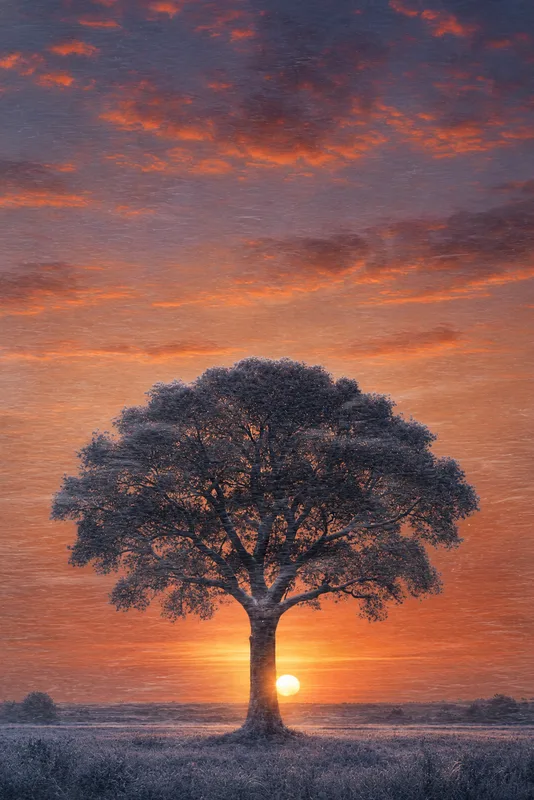
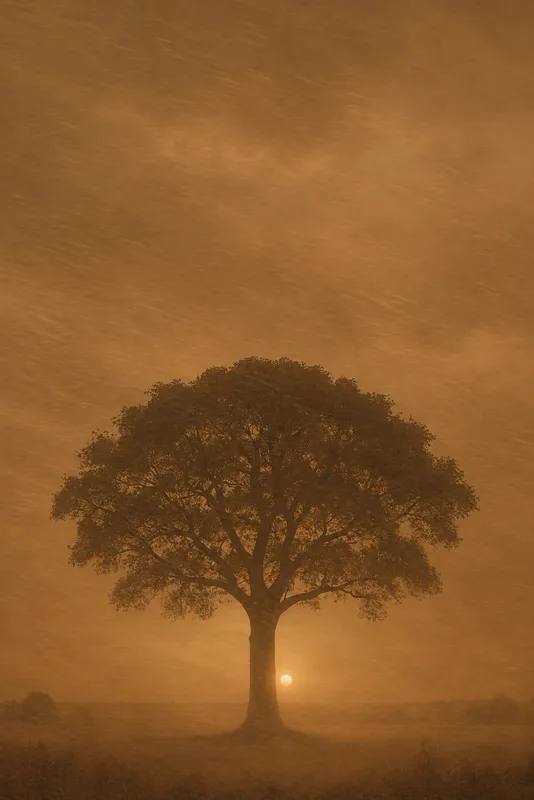
 Cold · dust · lightning
Move the camera.
Bird’s eye to worm’s eye. Pick the angle the way a director would and the scene rebuilds around it, same subject, same light. Nine angles, one click each.
9 angles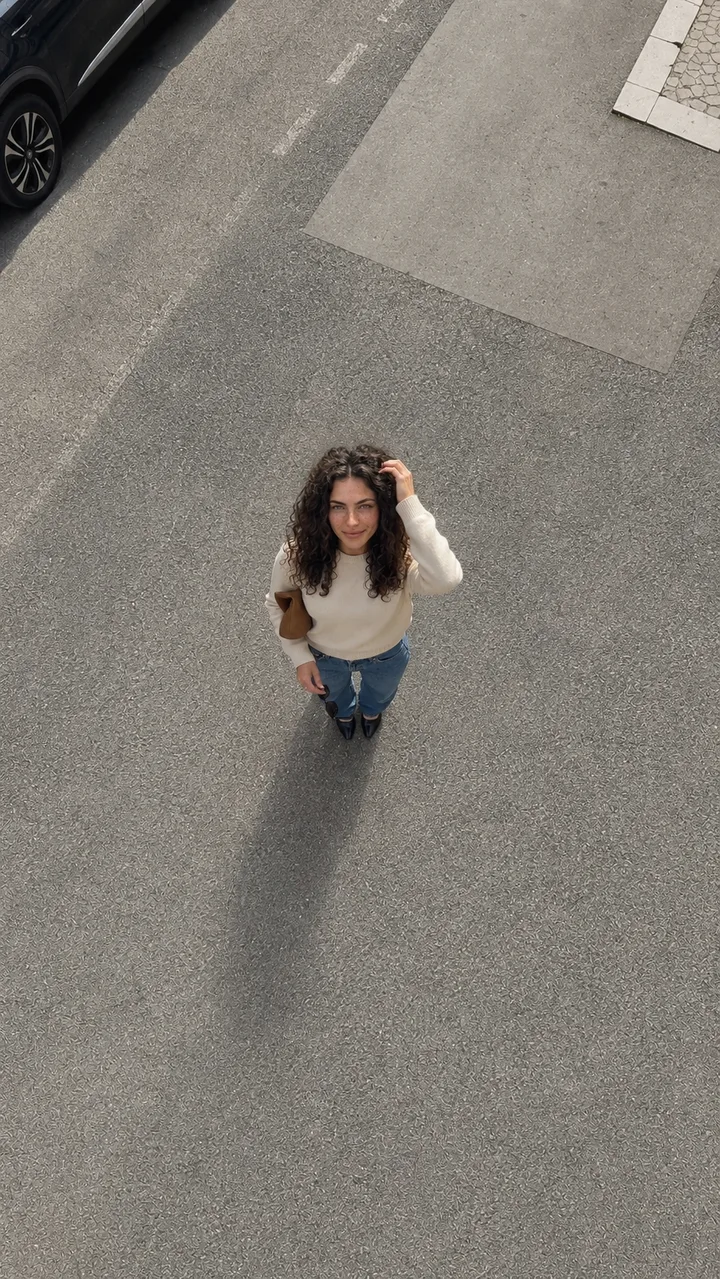
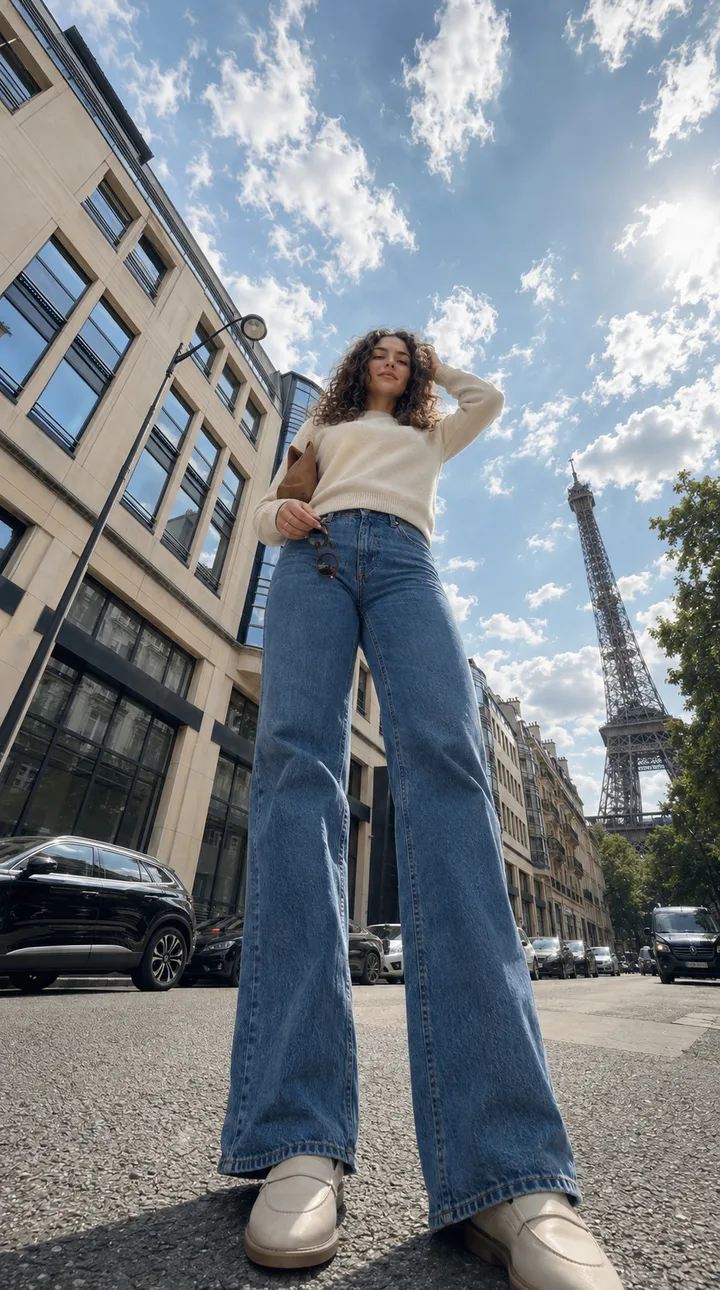 Bird’s eye · worm’s eye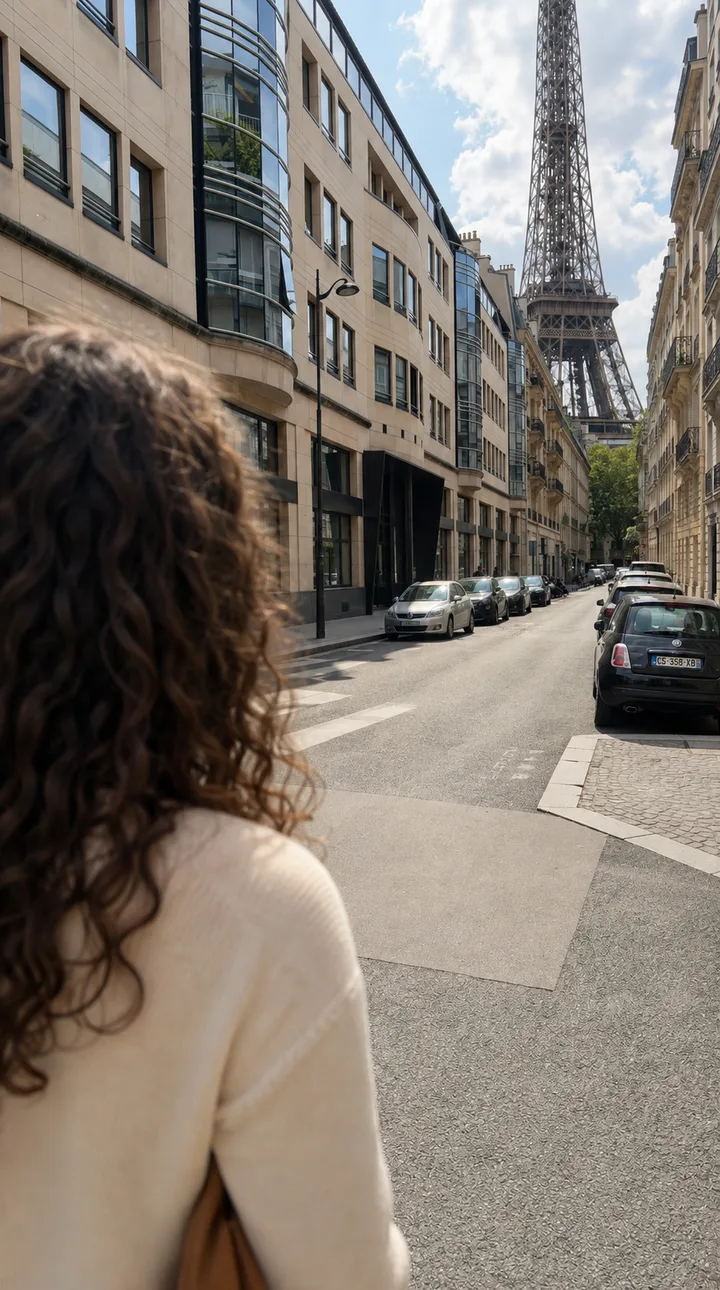
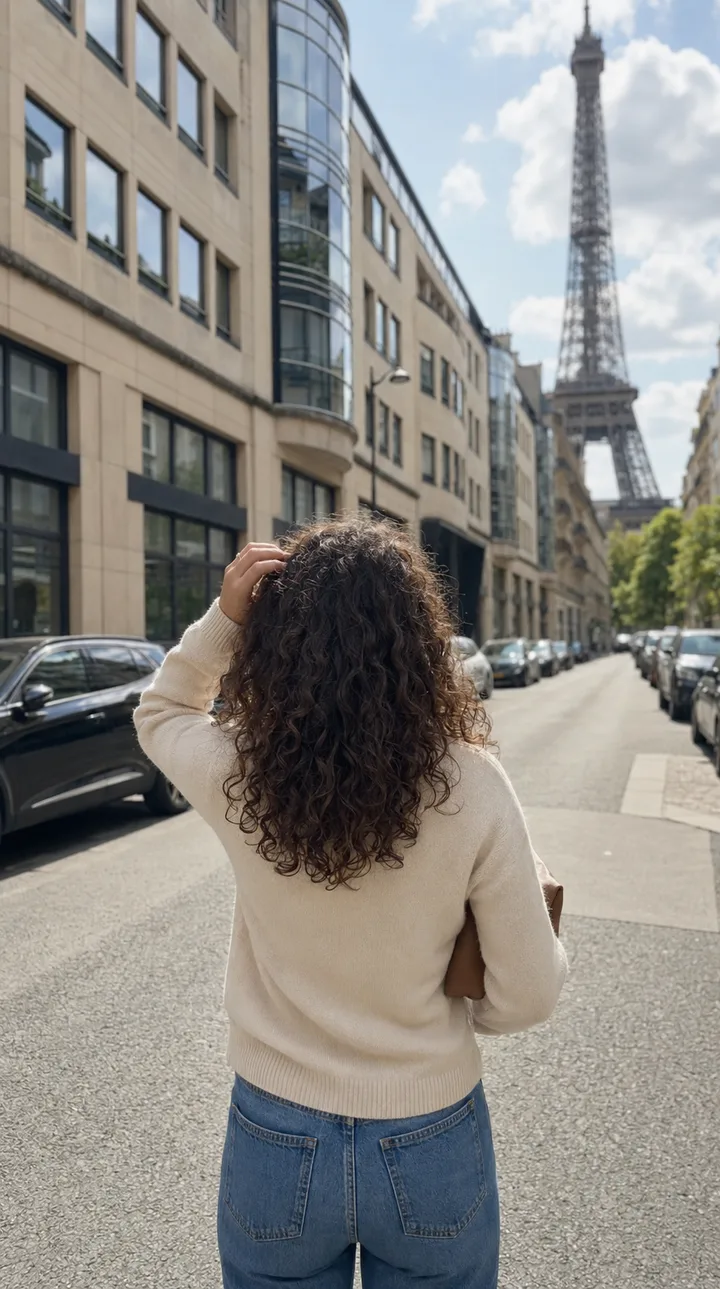 Over the shoulder · rear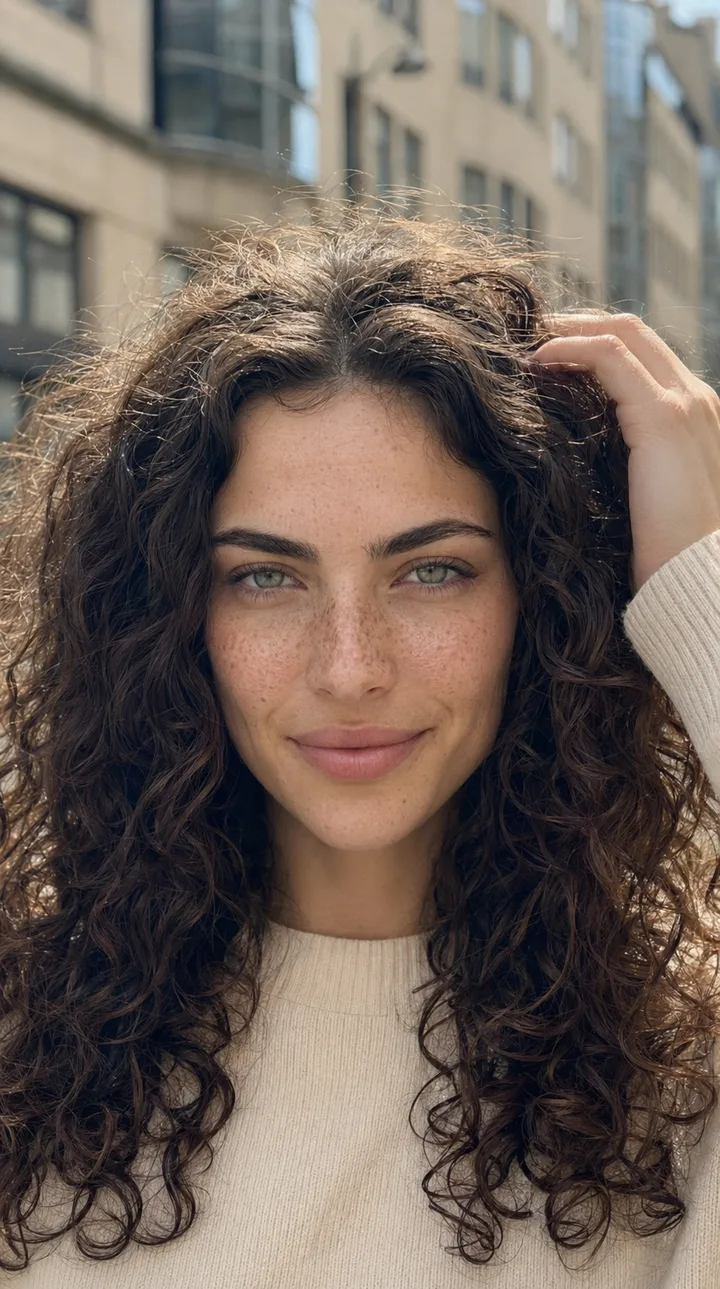
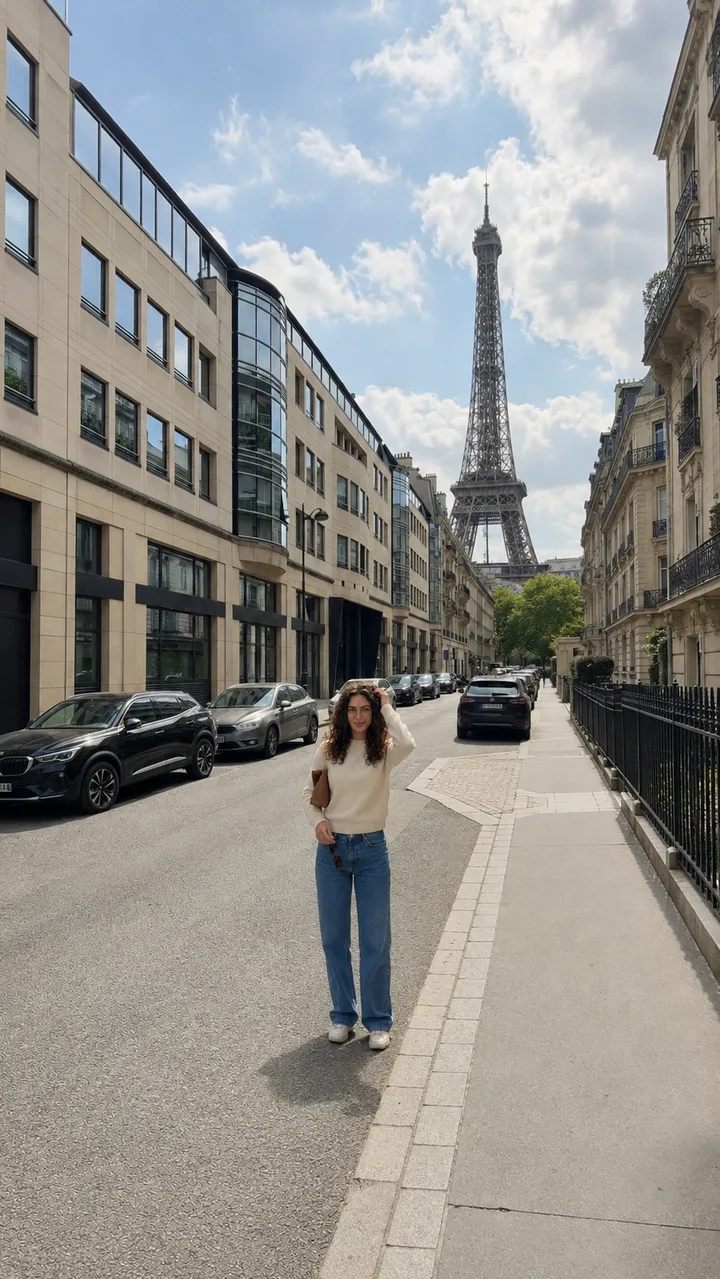 Close-up · wide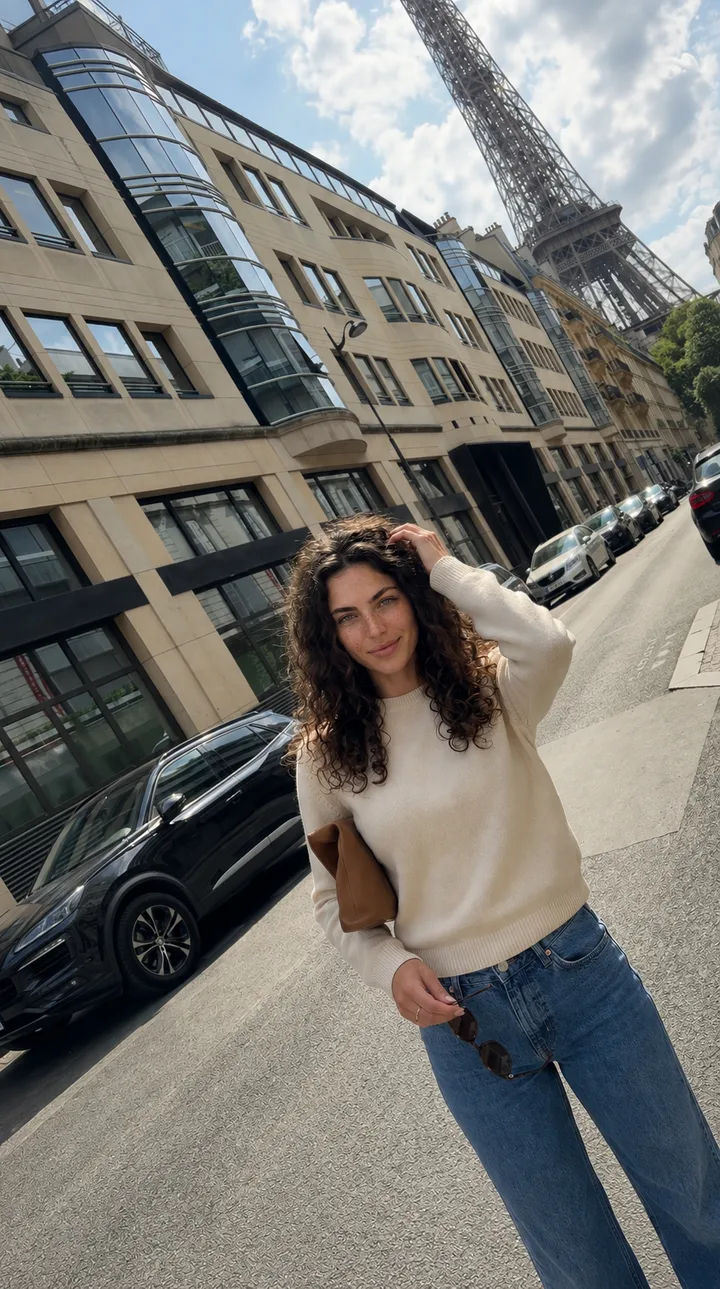
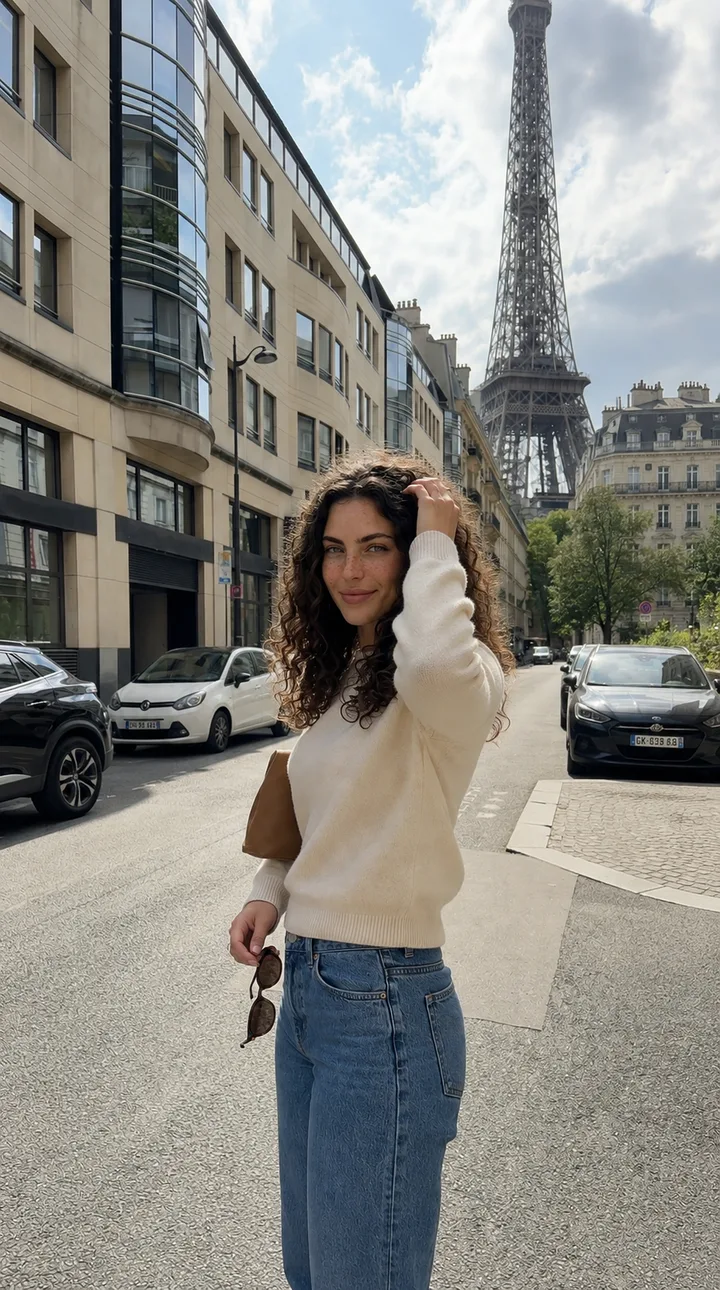 Dutch · profile
Change the medium.
Editorial, film stock, game worlds, print. A style sits on top of your settings and never replaces them, so the face and the framing walk out of the render intact.
50 styles · 7 disciplines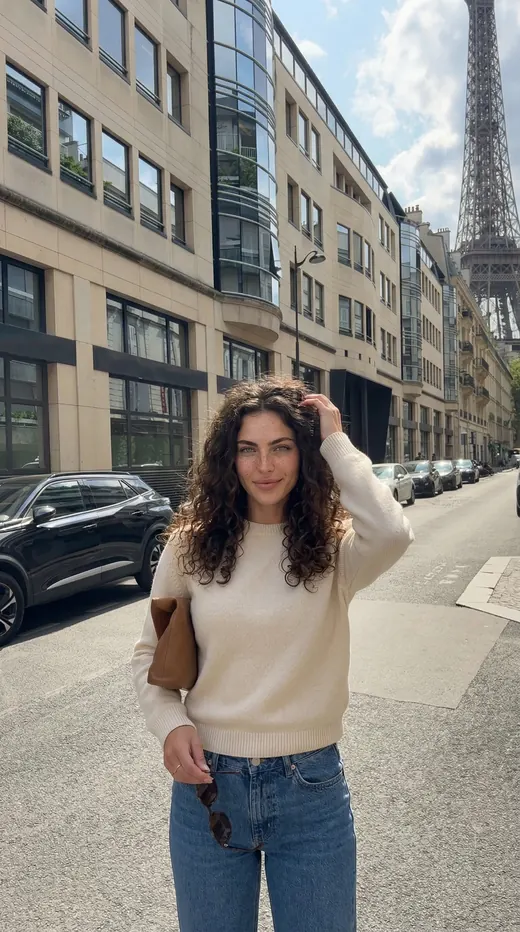 Linocut print
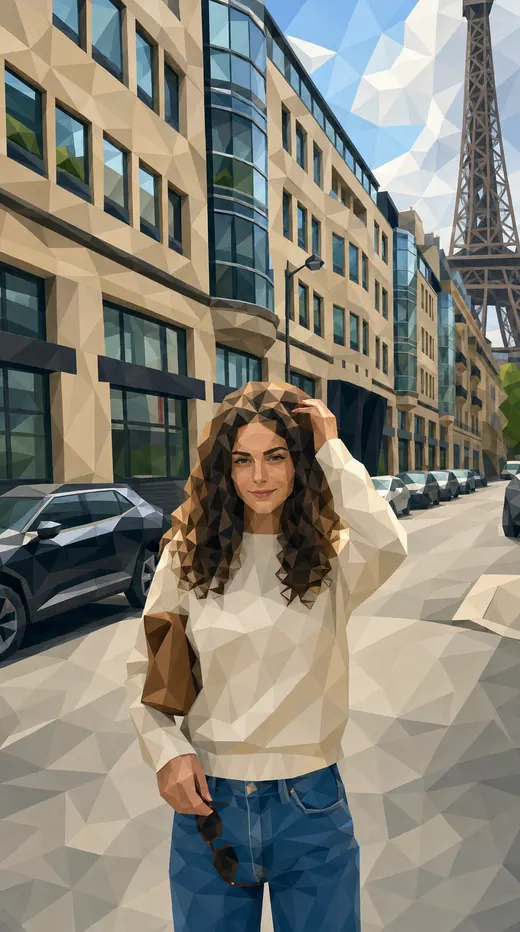 Low-poly 3D
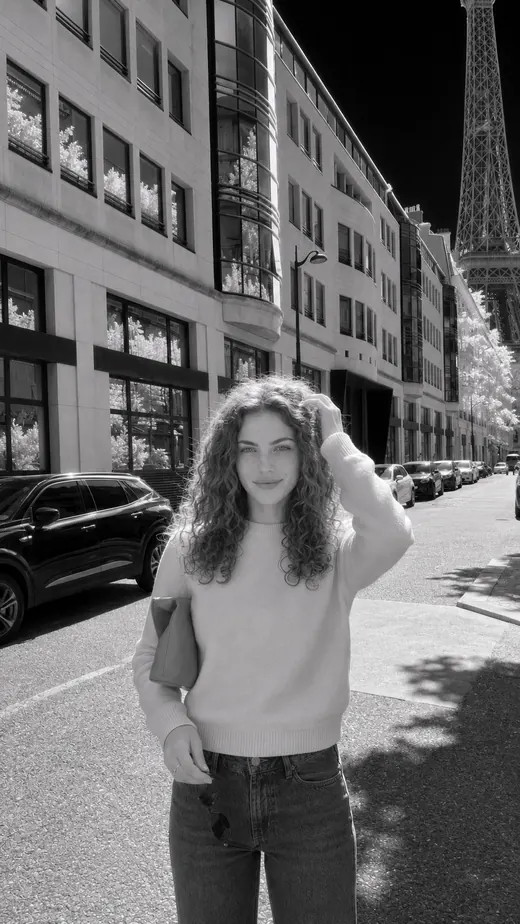 Infrared photography
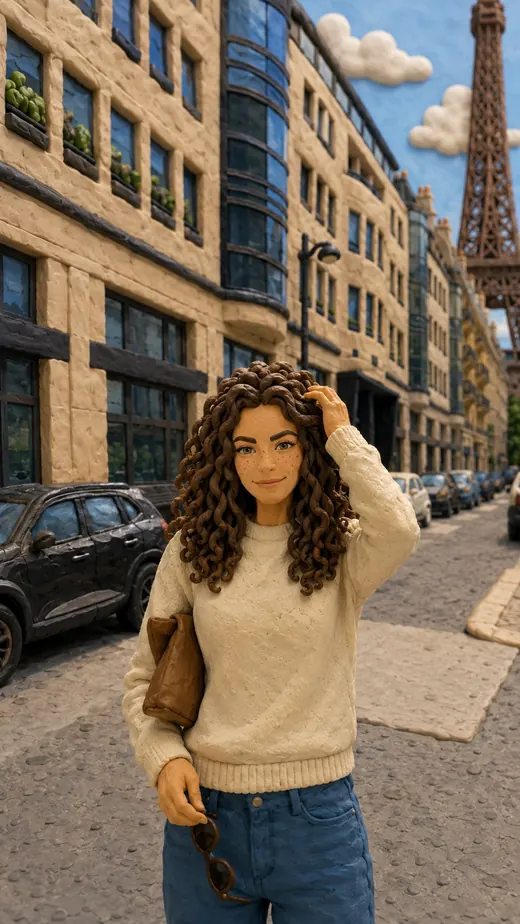 Clay stop-motion
Step into a photograph.
Forty two finished photographs, lit, framed and waiting. Your character walks in. No prompt, one click, and a picture you would have paid a day rate for.
42 finished frames · the same on every plan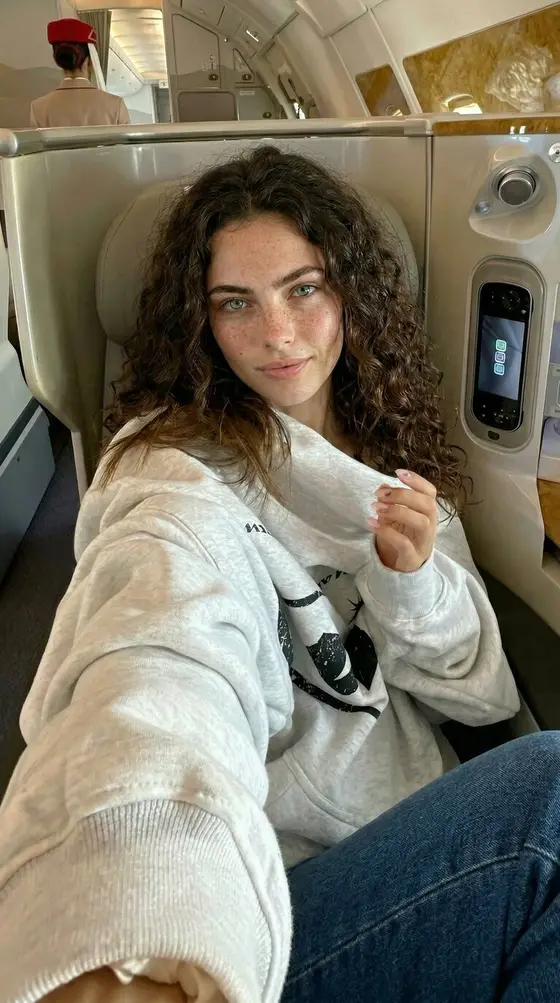 08 · Car, direct flash
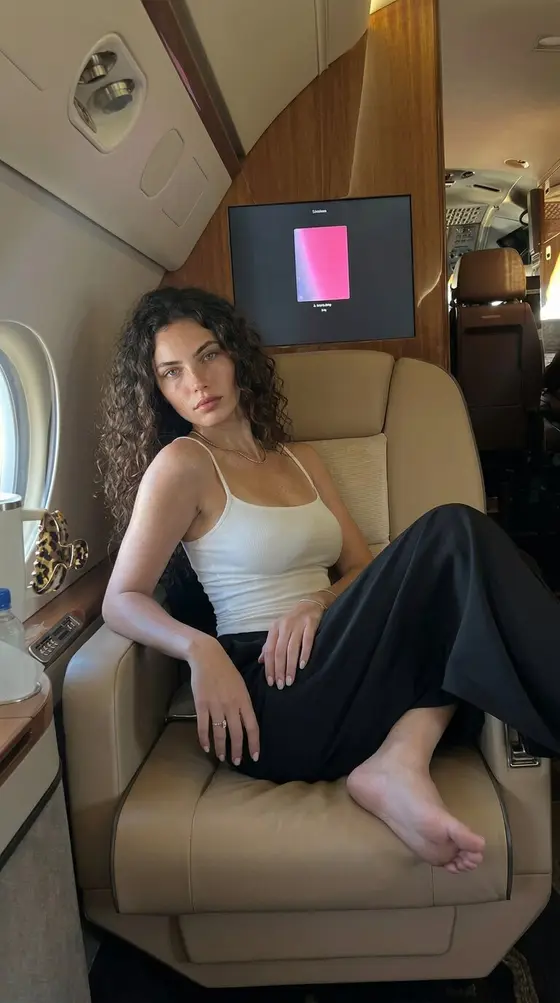 12 · Lounge, evening
 30 · Garden terrace, flowers
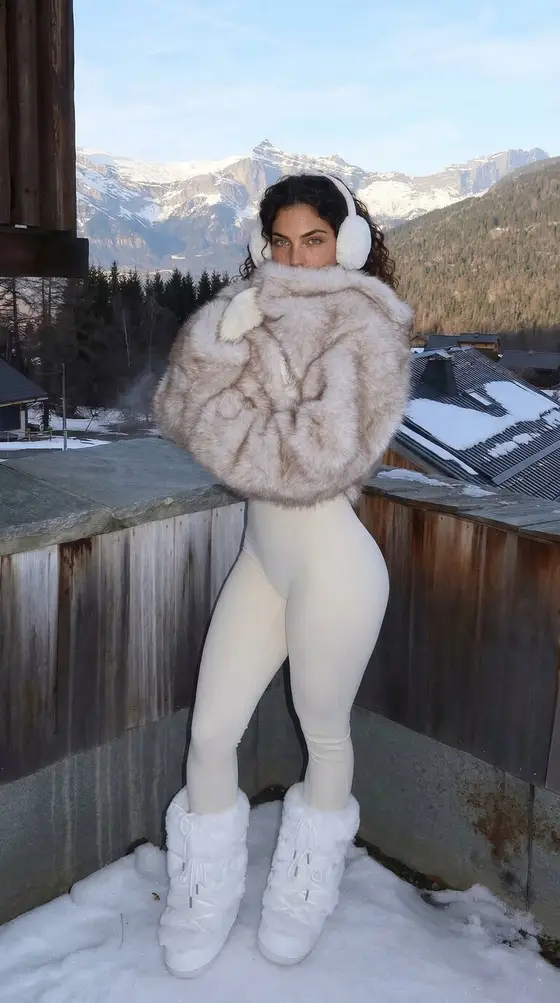
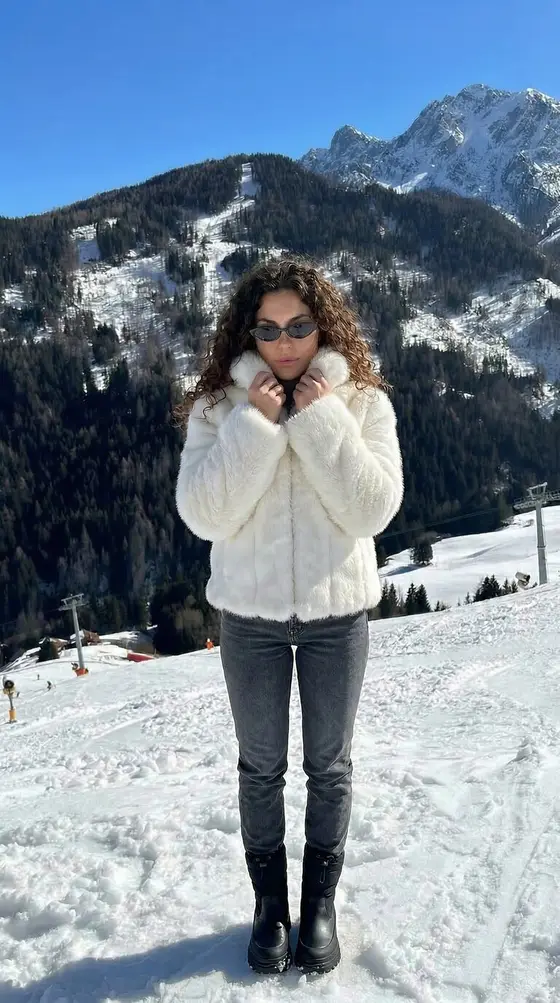 38 · The Alps, white fur
One frame, fifty ways.
Fifty styles, the study →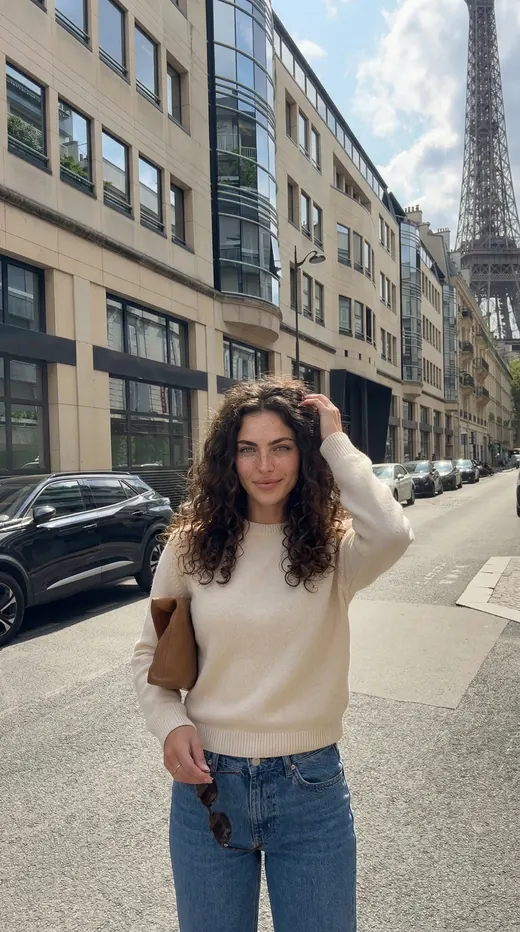 The source
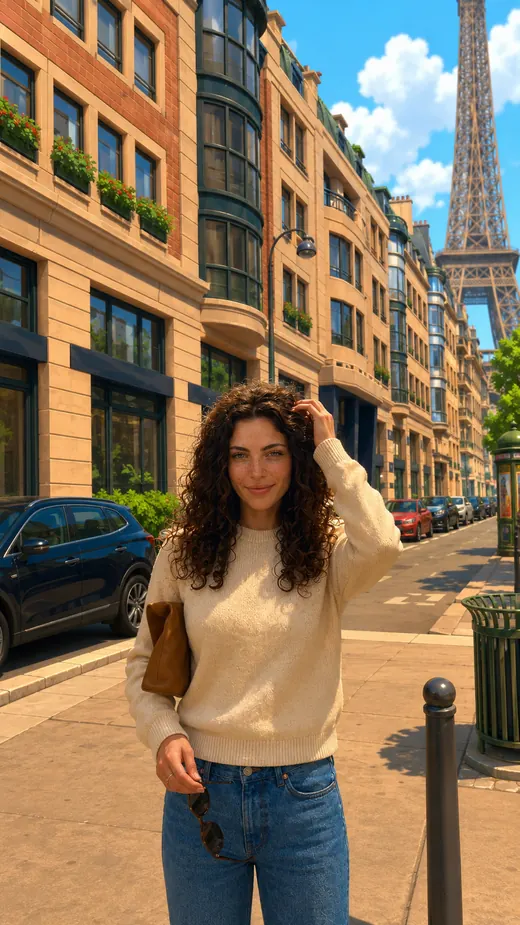 Bright stylised open world
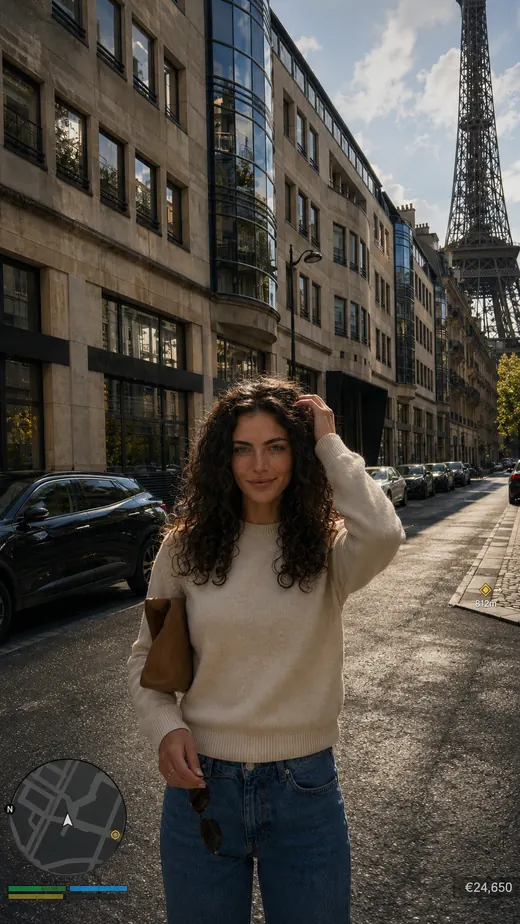 Crime-game open world
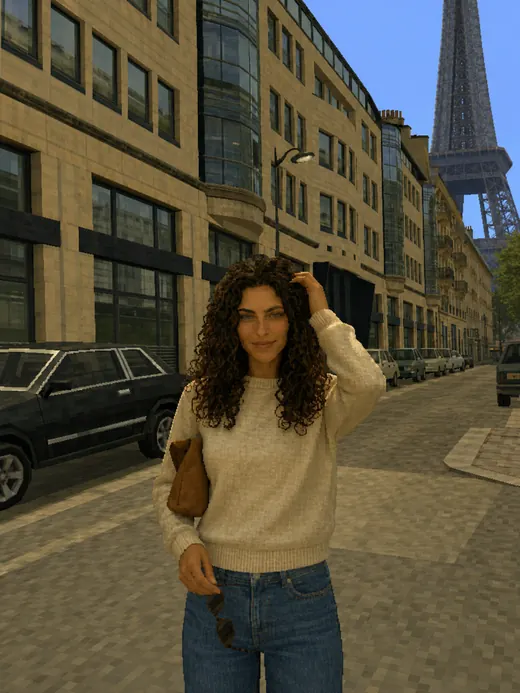 Early-2000s console open world
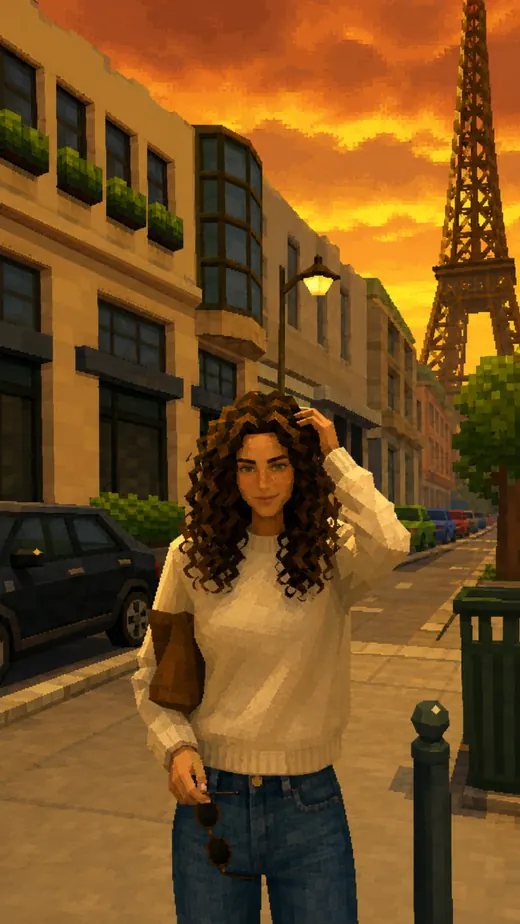 Late-nineties platform game
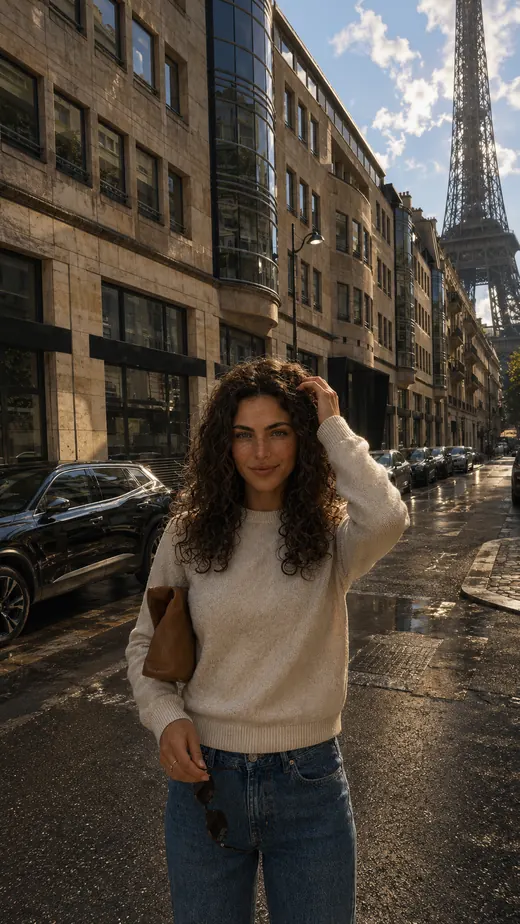 Modern open-world capture
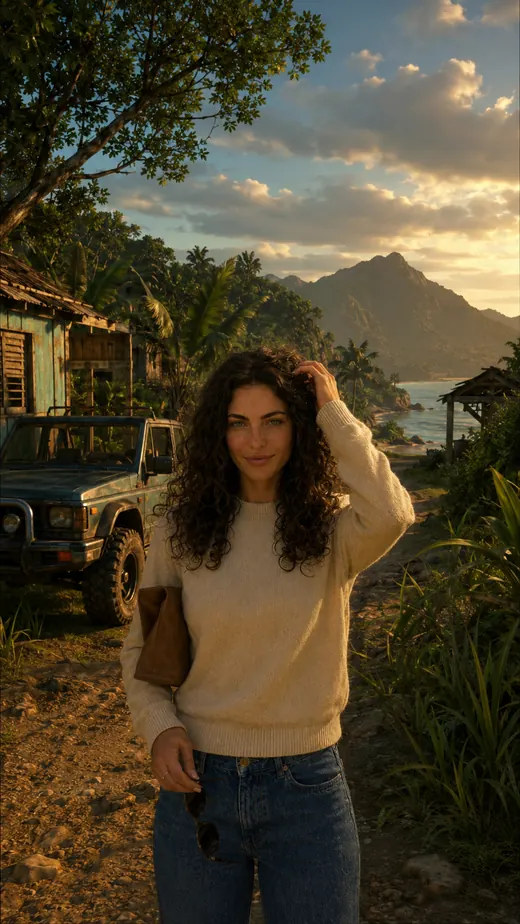 Tropical open-world action
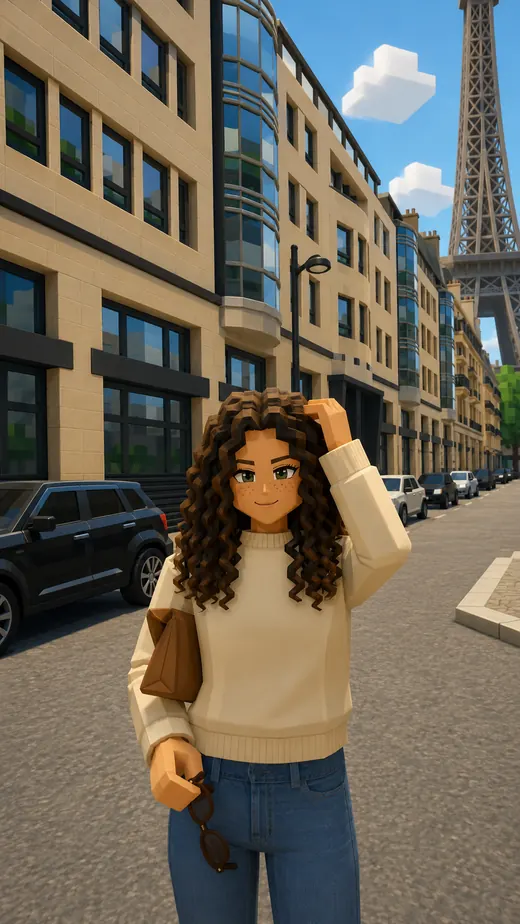 Blocky avatar platform
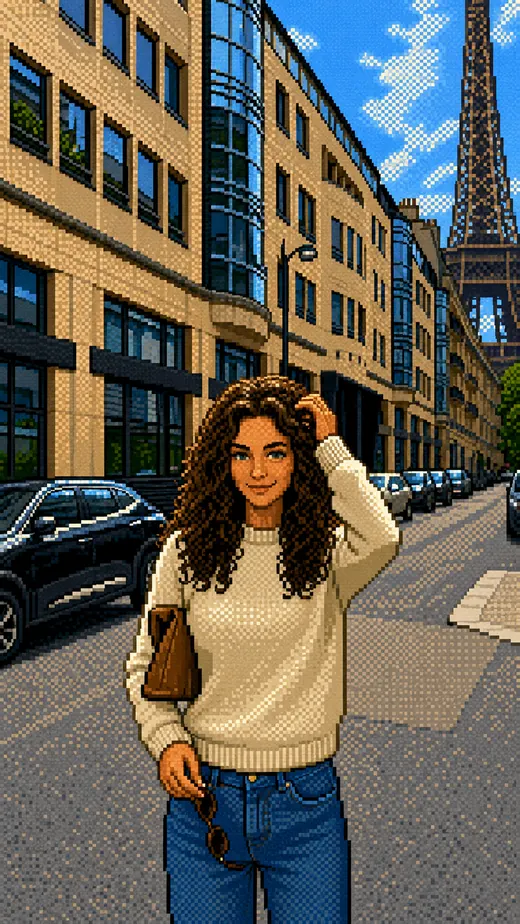 Eight-bit video game
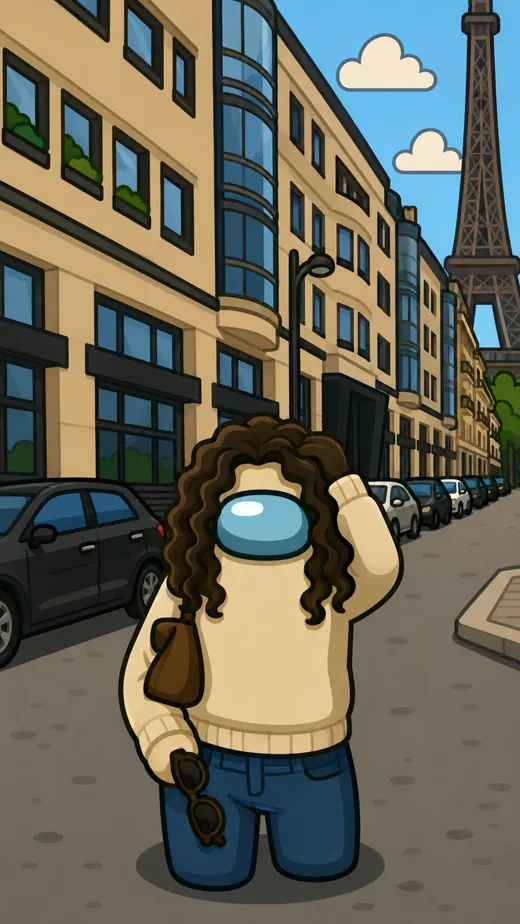 Flat cartoon crewmateLow-poly 3D
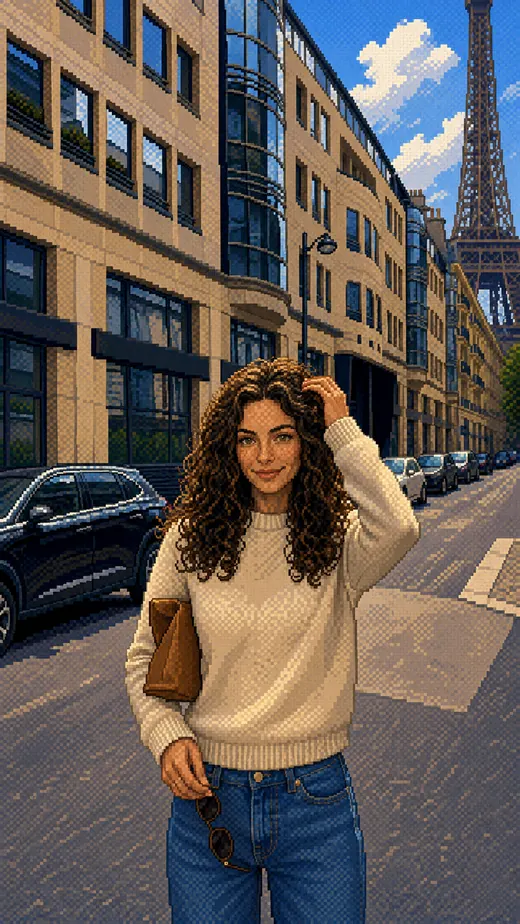 Pixel art
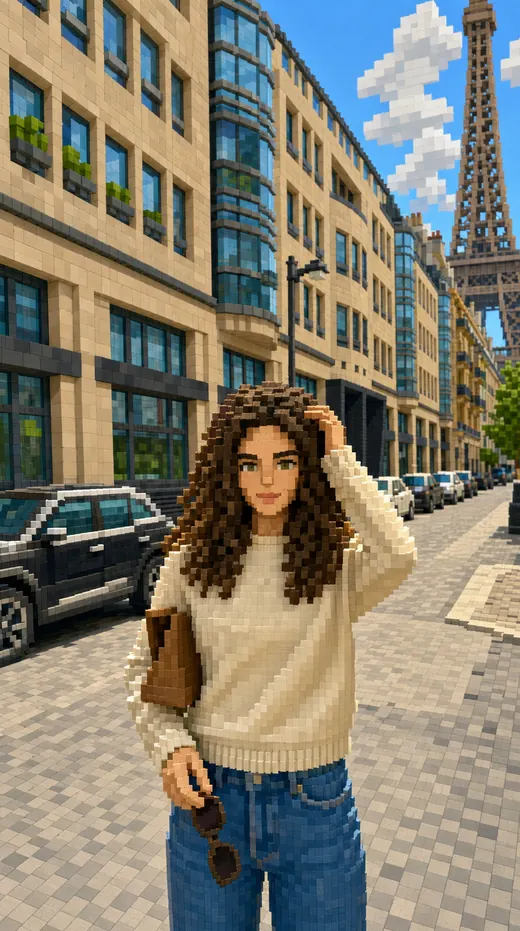 Voxel art
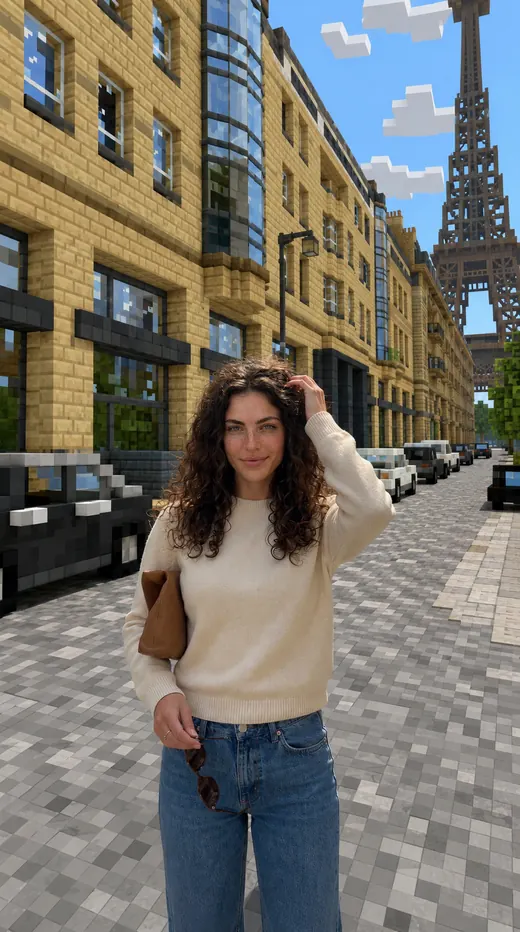 Voxel world, photoreal subjectClay stop-motion
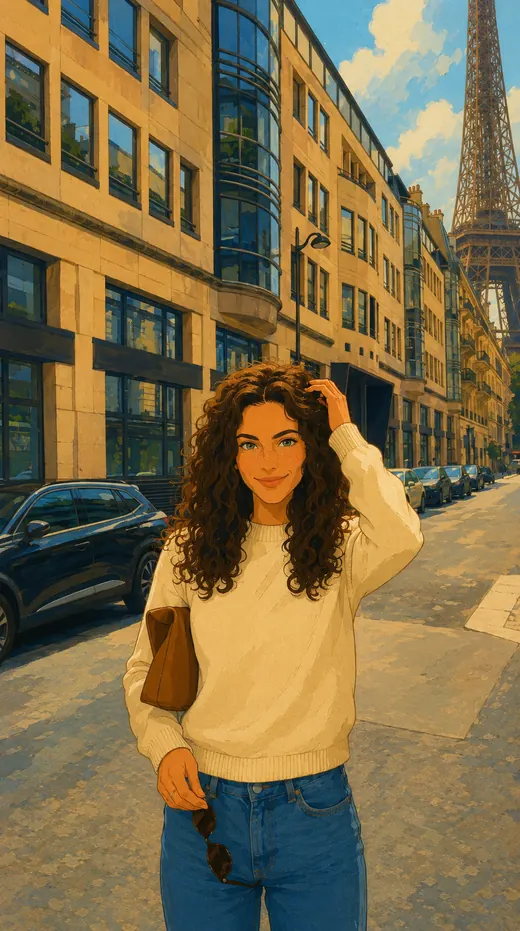 Hand-painted cel animation
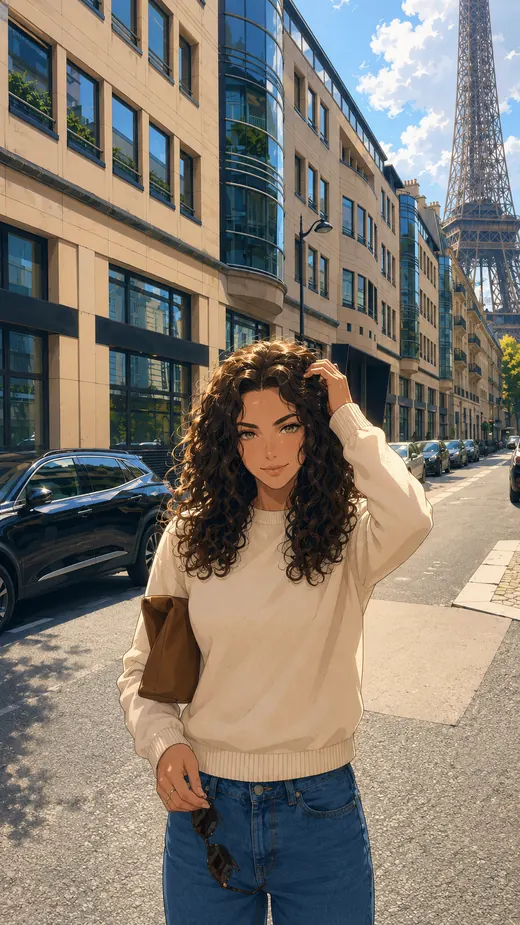 Modern anime
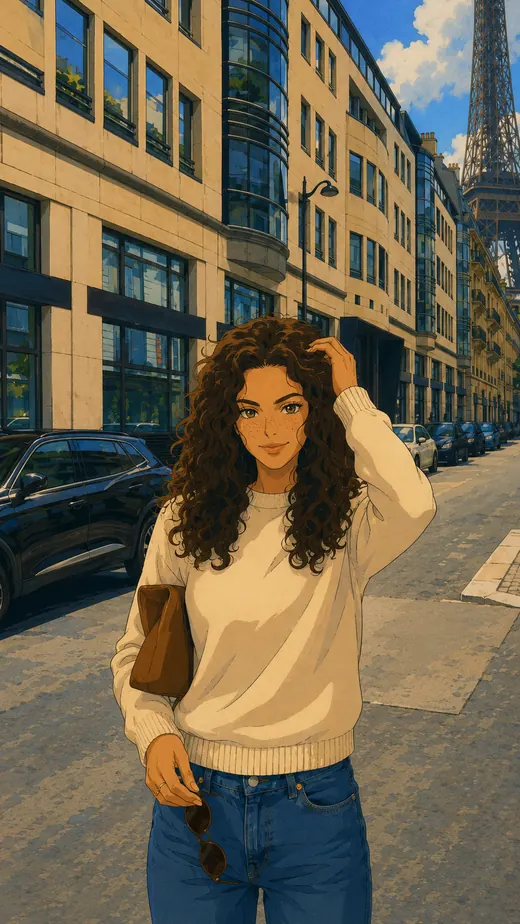 Nineties Japanese anime
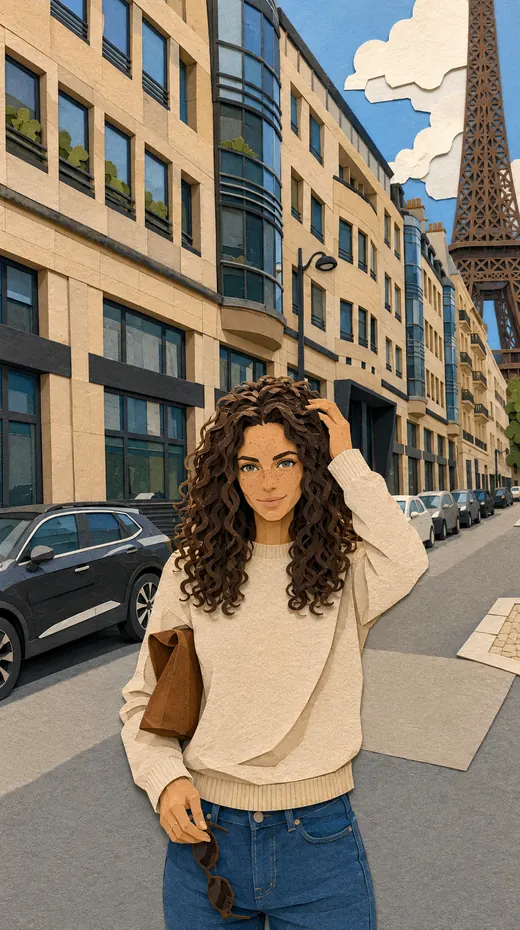 Paper-cut animation
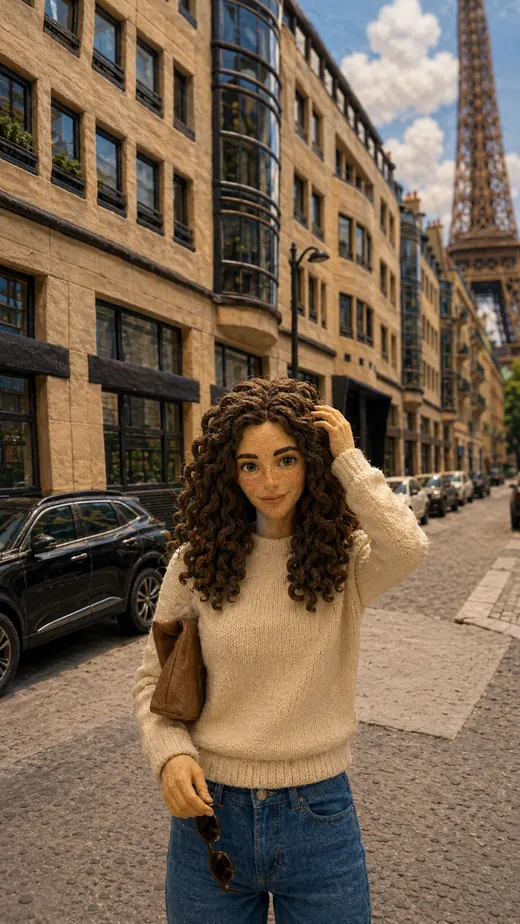 Stop-motion puppet
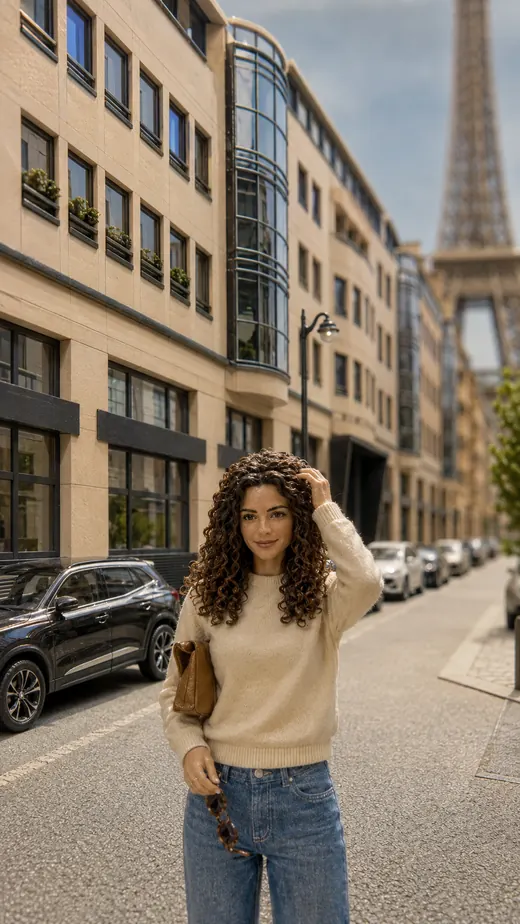 Architectural scale model
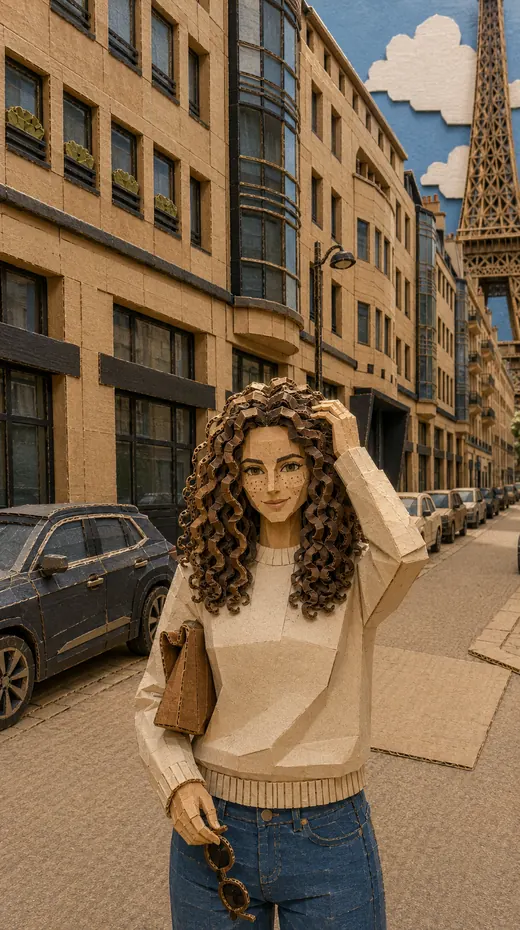 Cardboard model
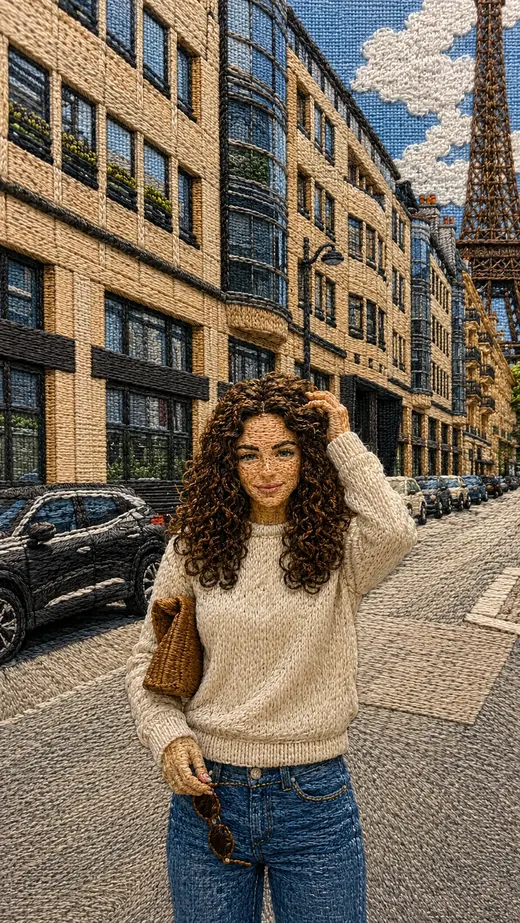 Hand-embroidered textile
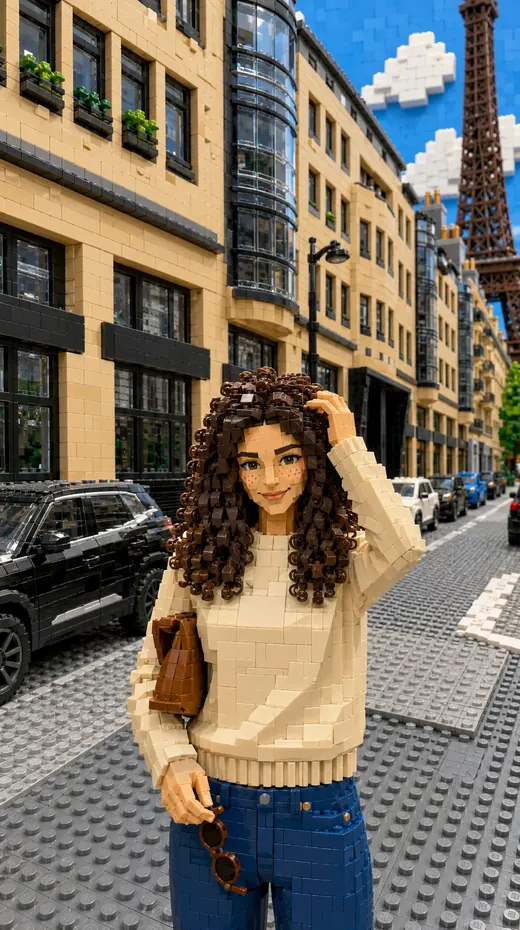 Interlocking toy bricks
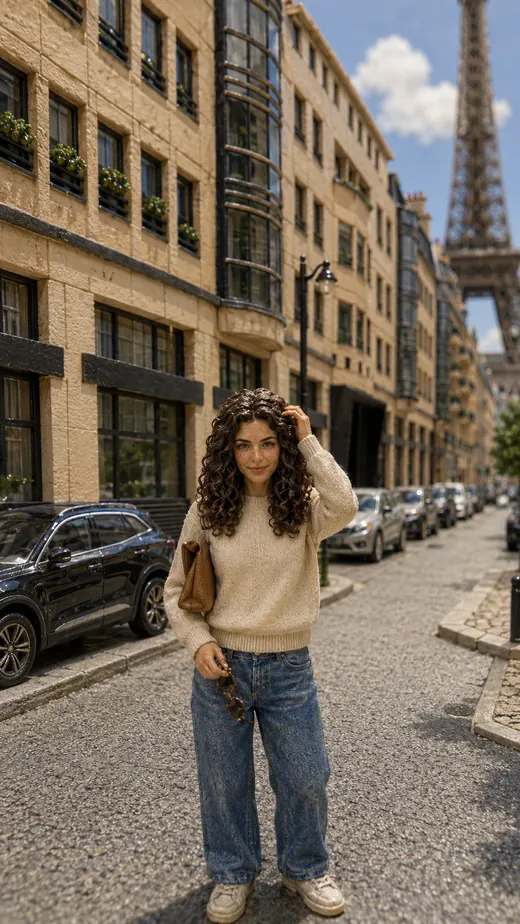 Miniature diorama
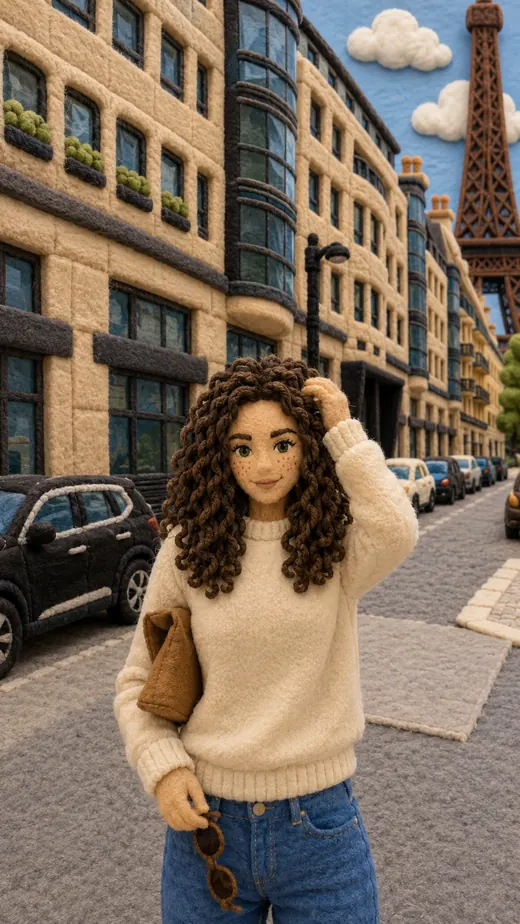 Plush toyBright stylised open worldCrime-game open worldEarly-2000s console open worldLate-nineties platform gameModern open-world captureTropical open-world actionBlocky avatar platformEight-bit video gameFlat cartoon crewmateLow-poly 3DPixel artVoxel artVoxel world, photoreal subjectClay stop-motionHand-painted cel animationModern animeNineties Japanese animePaper-cut animationStop-motion puppetArchitectural scale modelCardboard modelHand-embroidered textileInterlocking toy bricksMiniature dioramaPlush toy
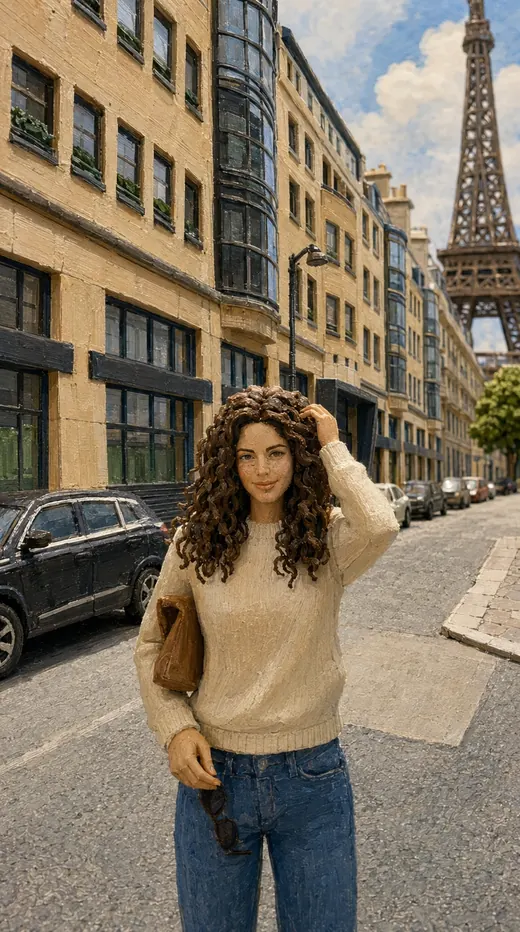 Practical model set
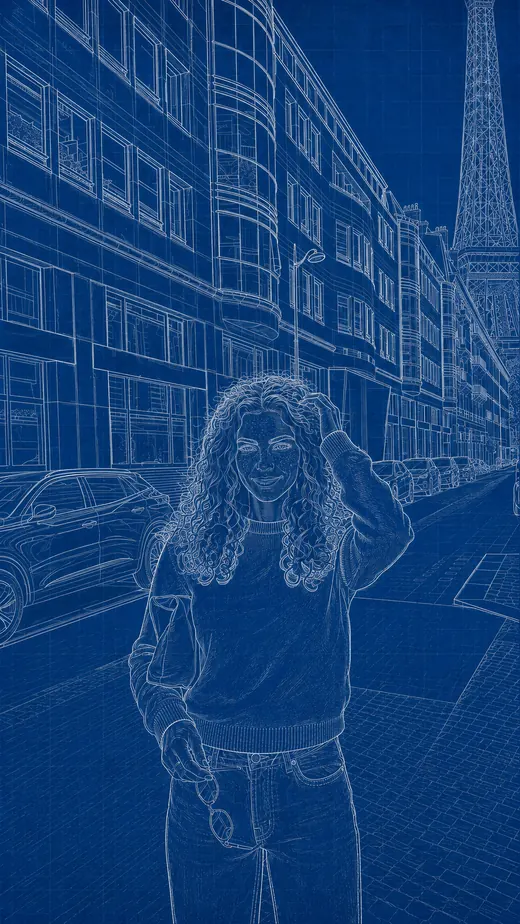 Architectural blueprint
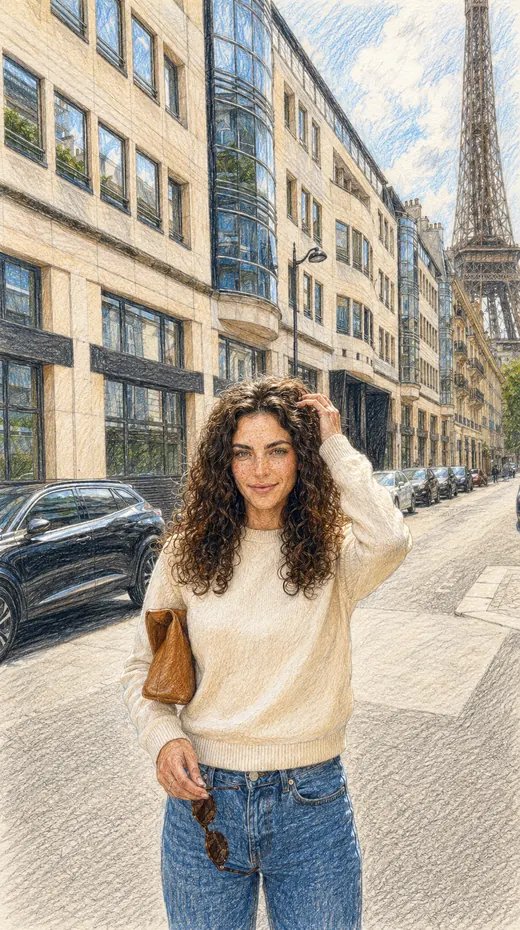 Coloured pencil
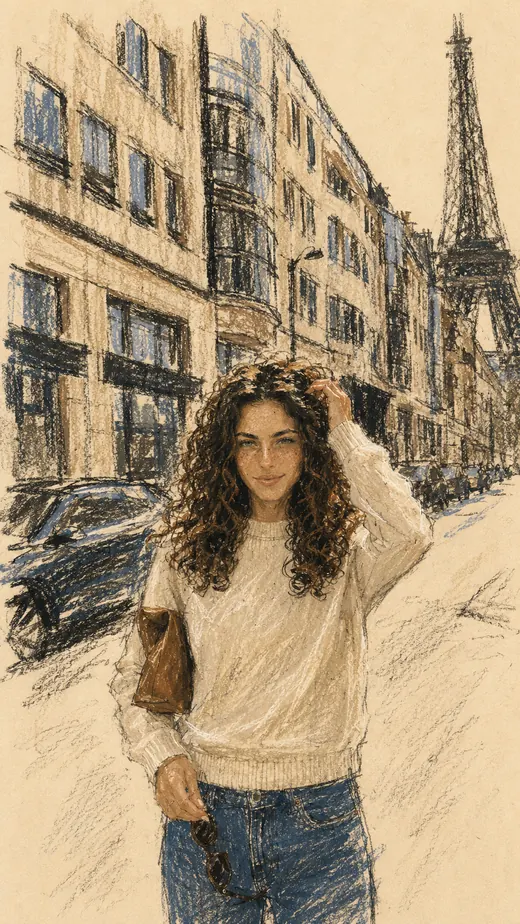 Editorial fashion illustration
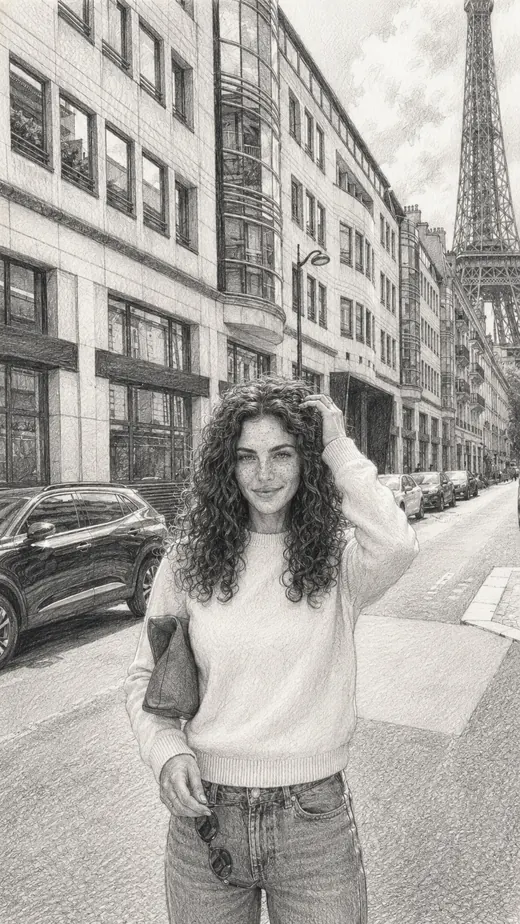 Fine graphite pencilLinocut print
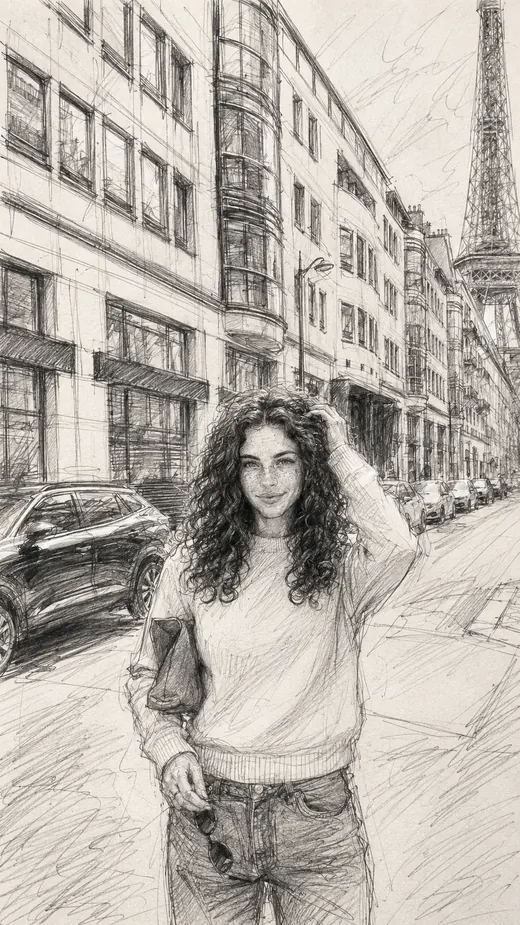 Loose pencil sketch
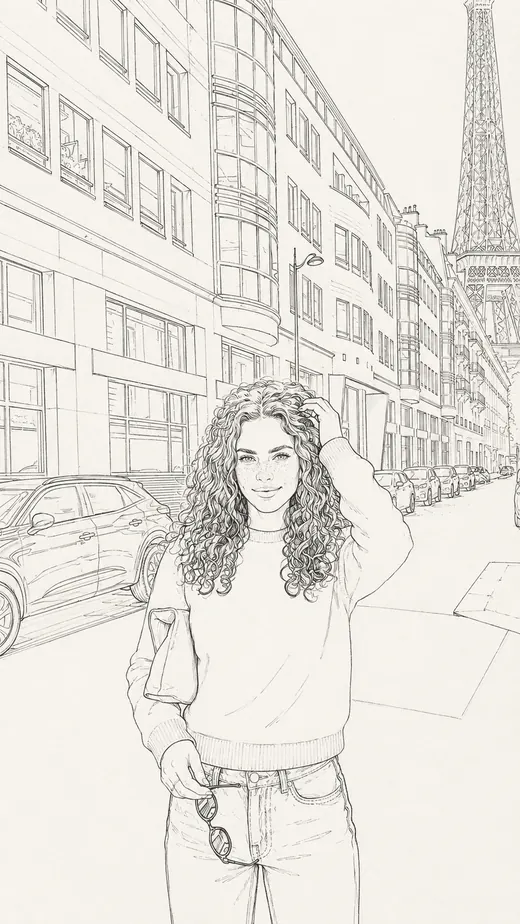 Minimal contour line
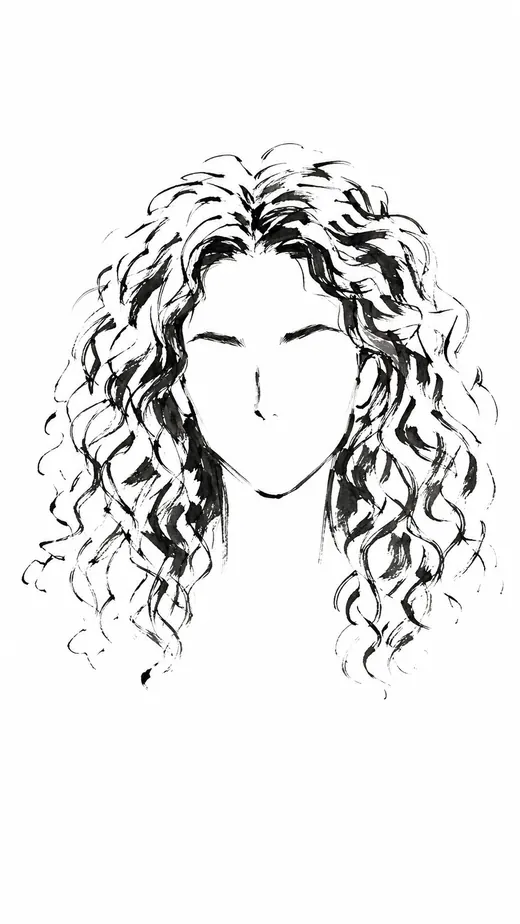 Minimal monochrome ink
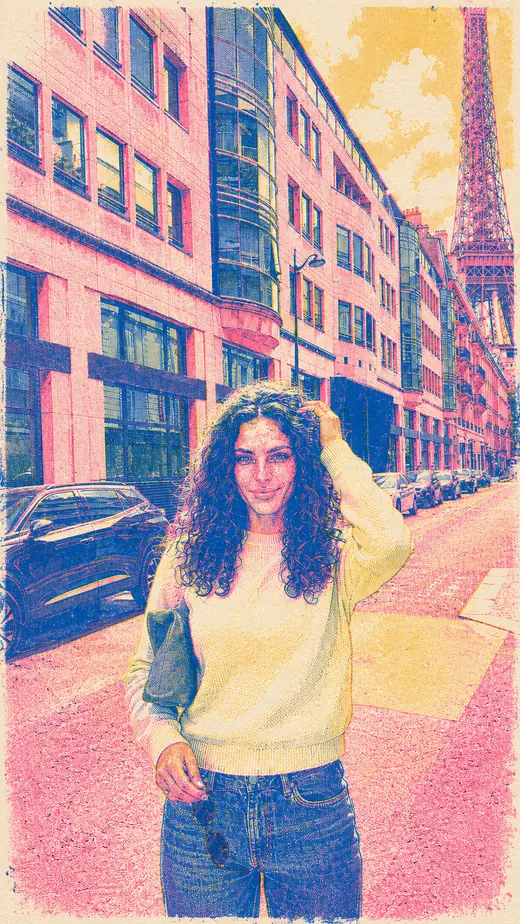 Risograph print
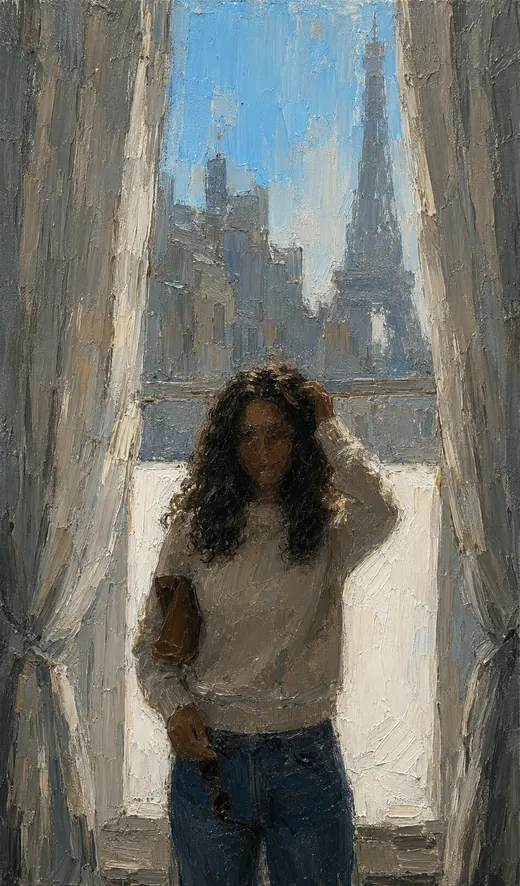 Thick oil on canvas
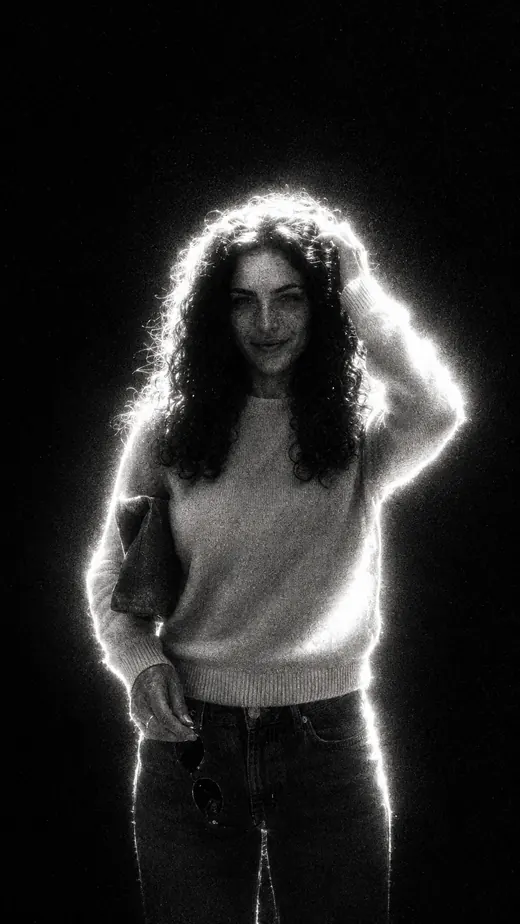 Backlit monochromeInfrared photography
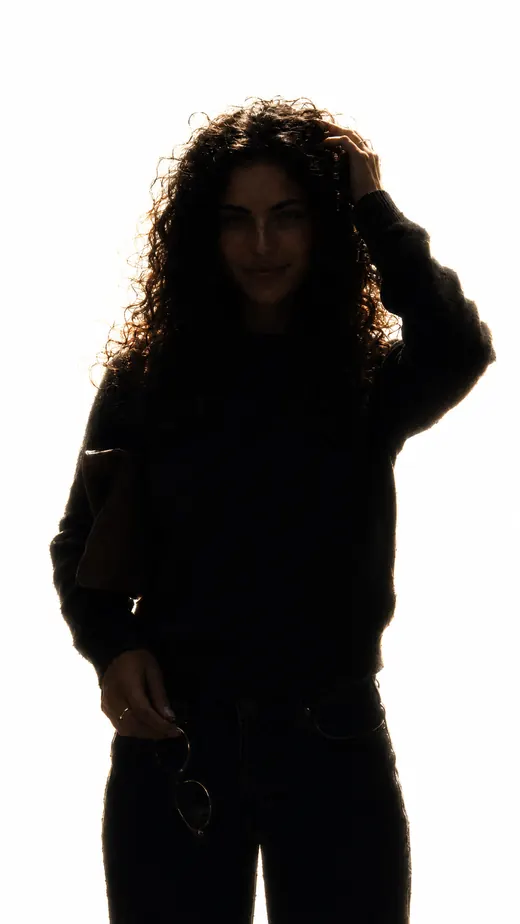 Low-key editorial portrait
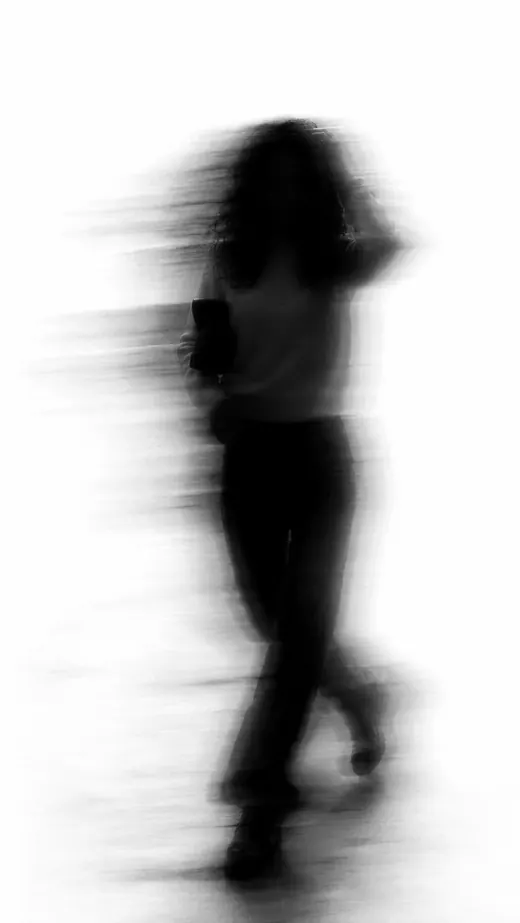 Monochrome motion study
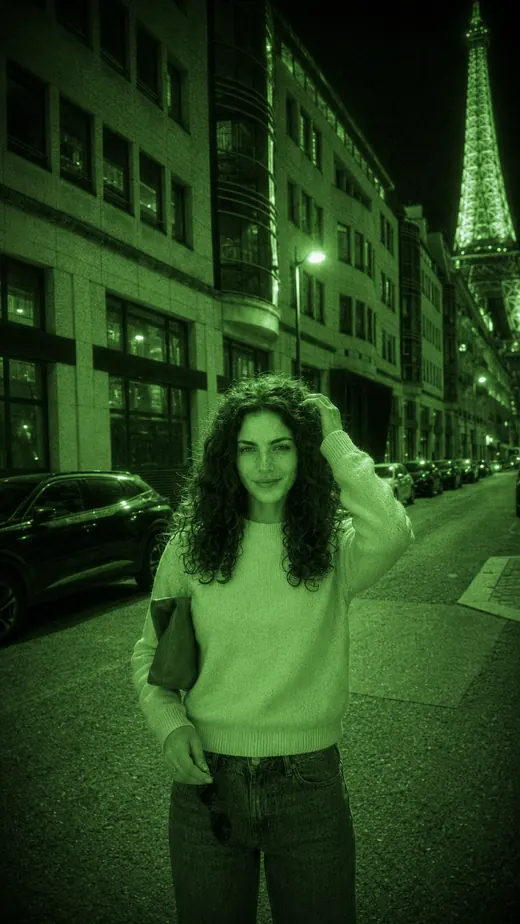 Night vision
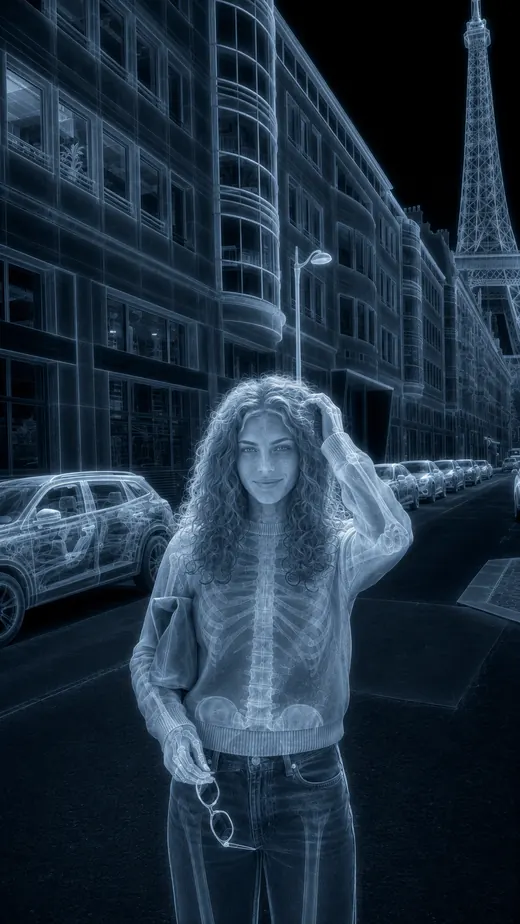 X-ray
X-ray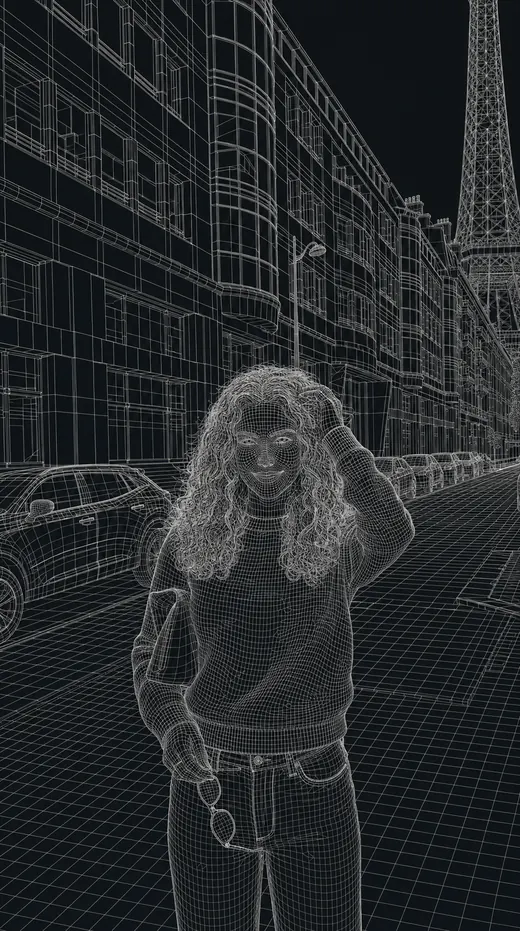 3D wireframe
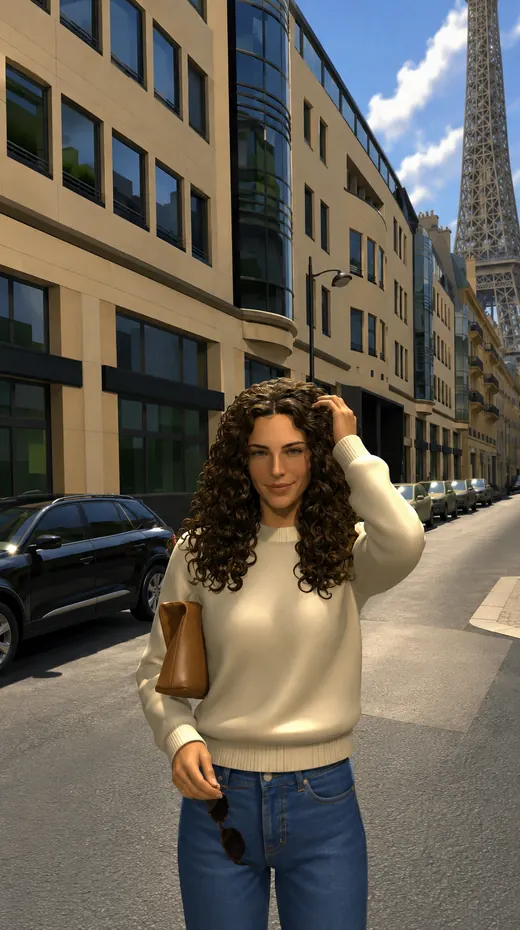 Early CGI
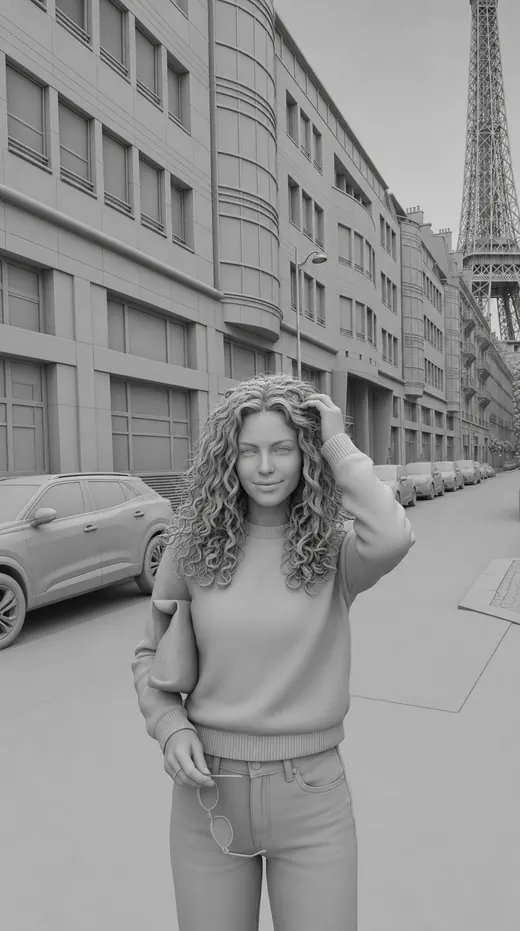 Modelling viewport, solid mode
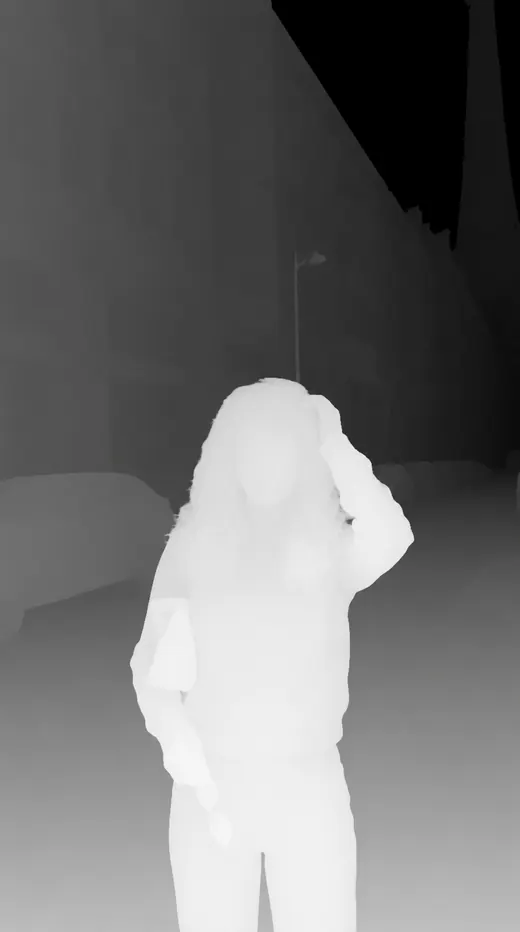 Monochrome depth map
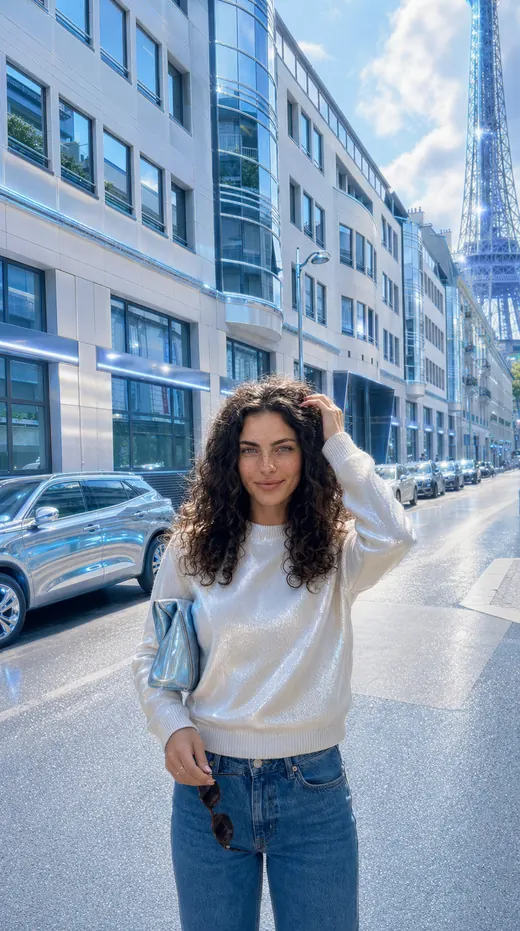 Y2K digital futurism
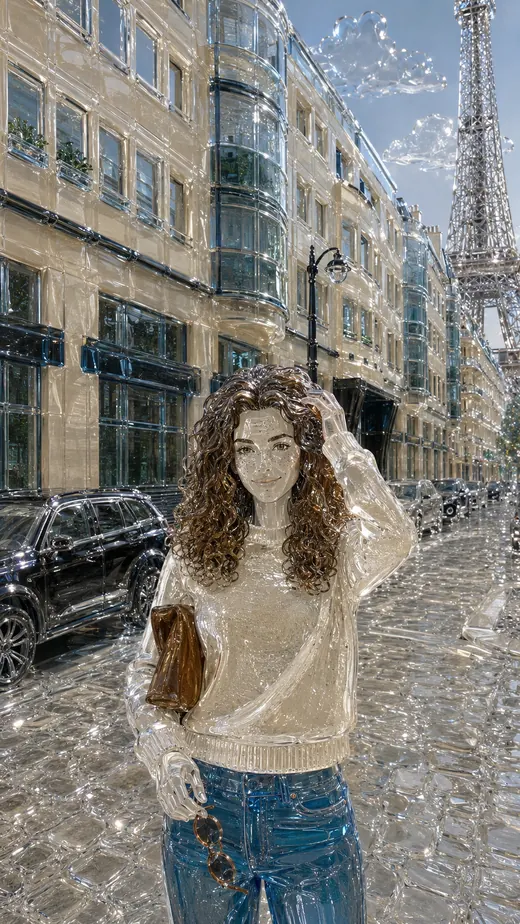 Glass sculpture
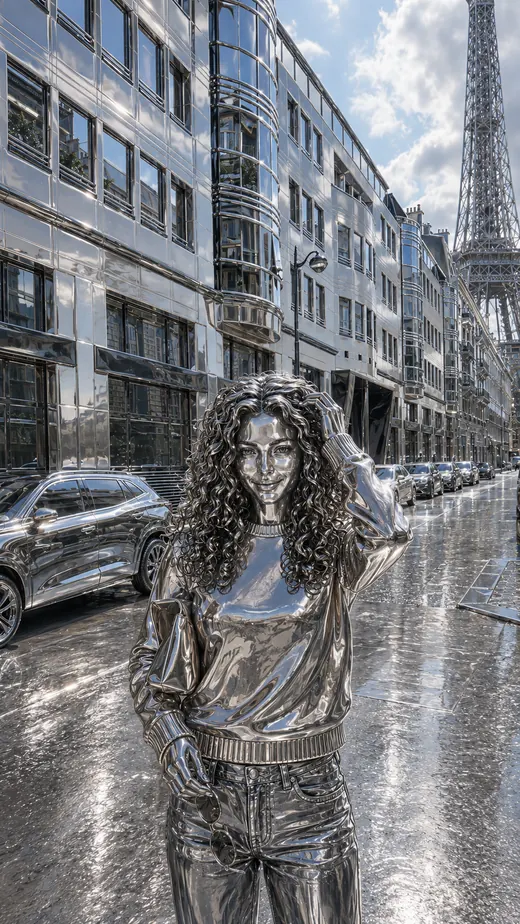 Polished chrome
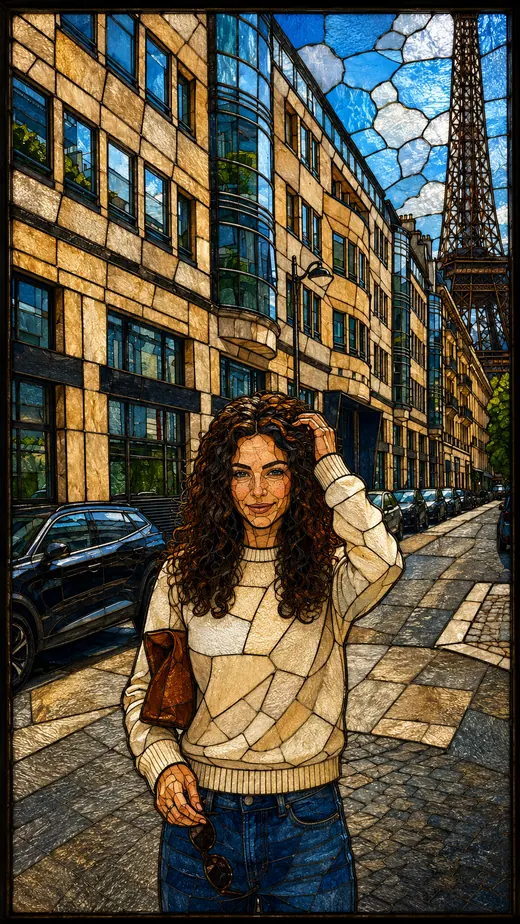 Stained glassPractical model setArchitectural blueprintColoured pencilEditorial fashion illustrationFine graphite pencilLinocut printLoose pencil sketchMinimal contour lineMinimal monochrome inkRisograph printThick oil on canvasBacklit monochromeInfrared photographyLow-key editorial portraitMonochrome motion studyNight visionX-ray3D wireframeEarly CGIModelling viewport, solid modeMonochrome depth mapY2K digital futurismGlass sculpturePolished chromeStained glass
Counted from the code that runs it.
None of these are marketing numbers. Each one is an option in the product with a value behind it, and each one is on every plan. Designing the controls was half the work. Making every one of them give the same answer twice was the other half.
One dark panel, and the picture.
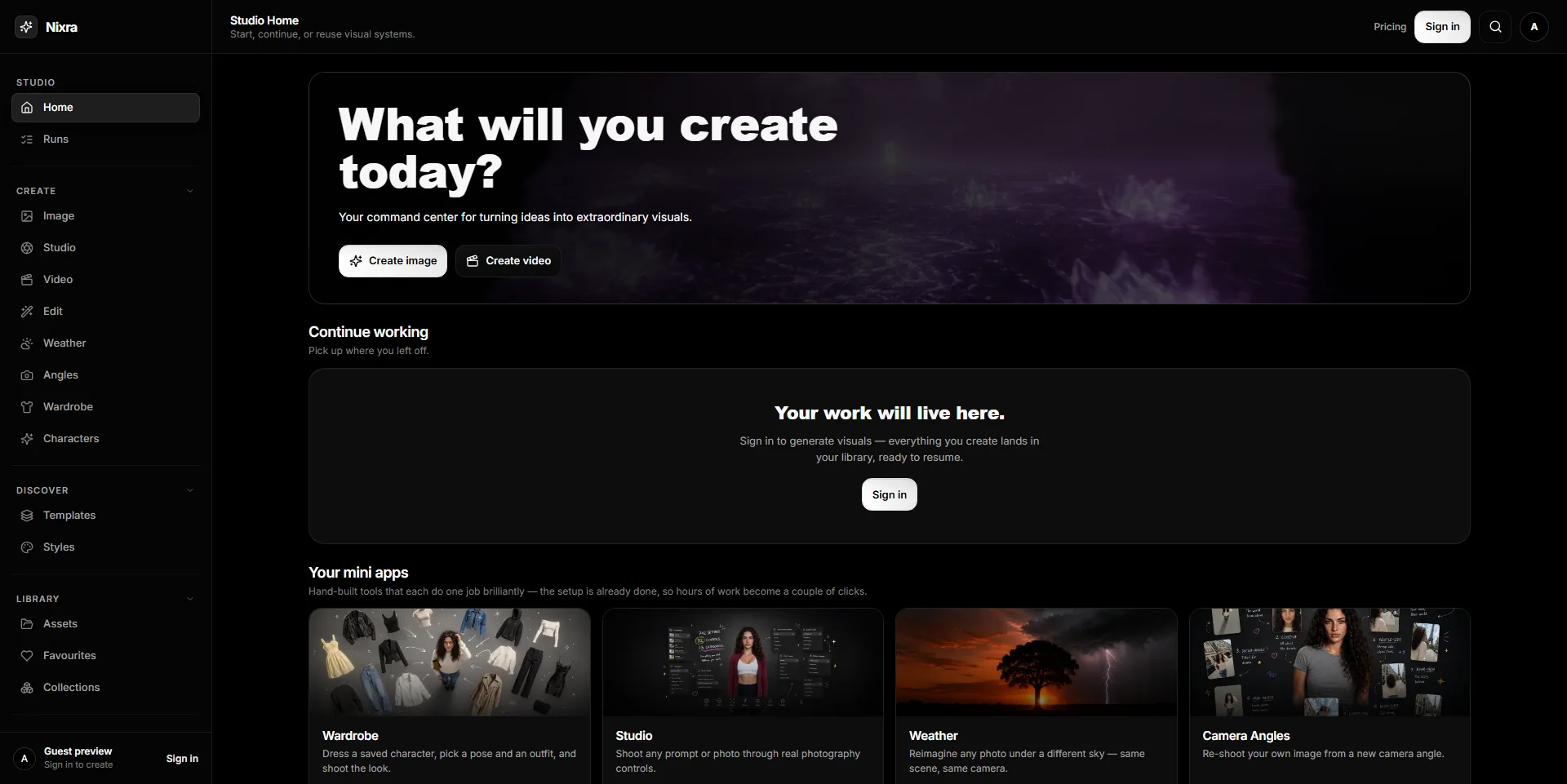
Open the studio and there is no blank page to stare at. Pick up yesterday's piece, or open one of the four mini apps, Wardrobe, Studio, Weather and Camera Angles, each built to do one job with nothing left to set up. Characters, looks and wardrobes are saved objects. A look put together in May is one click away in August.
Every run is kept and shown while it works: the model, the credits, the settings, the result. That history is what makes it a workflow and not a slot machine. Behind it sit 67 image and 64 video models on one balance, chosen per run, with the same saved face going through all of them. The panel is dark on purpose. The image is the thing you are meant to look at.
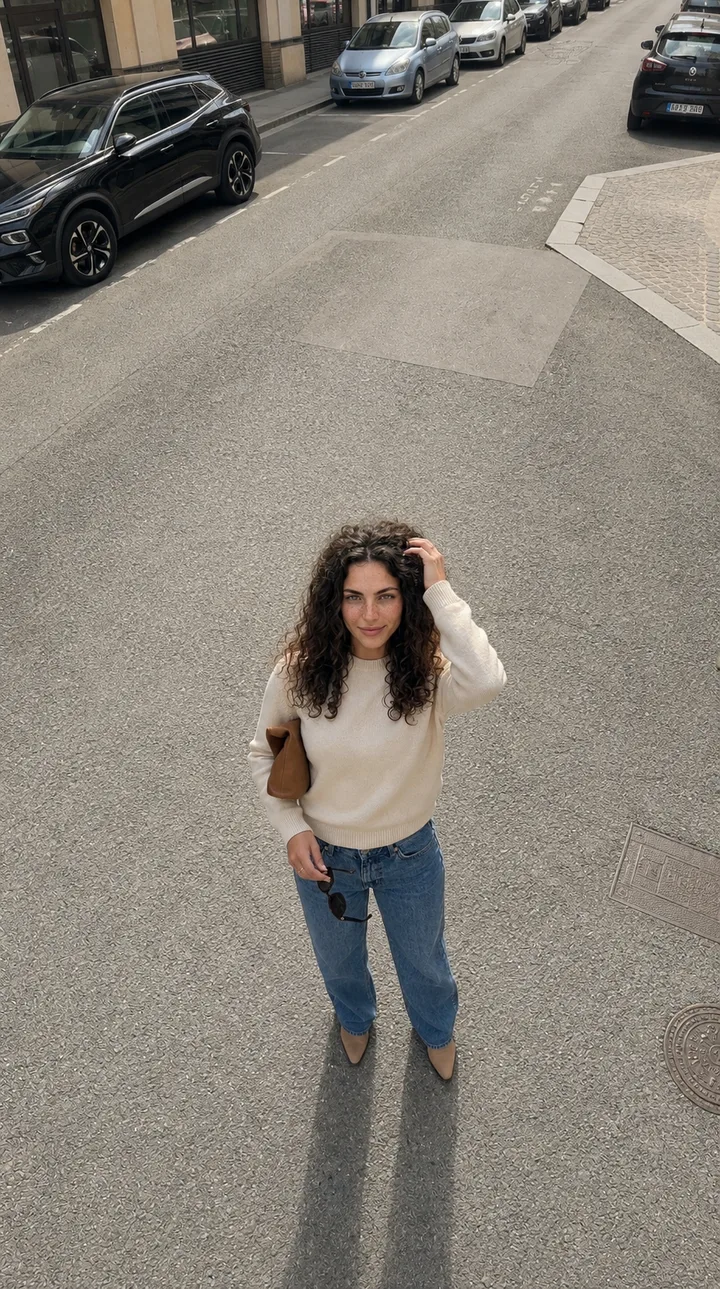
Three pieces made with it.
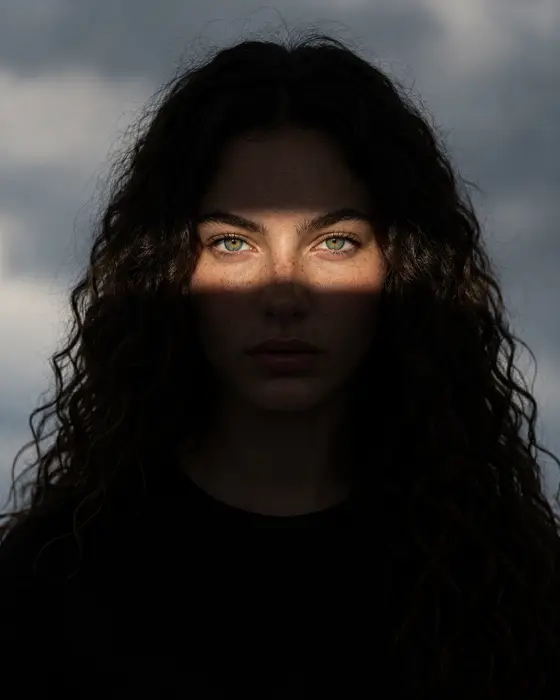
A product like this is proved by what comes out of it, so here is what came out. Each piece was made inside Nixra, by me, on my own character, and each one is a workflow I can run again tomorrow. The product is live, paid for by the people who use it, and run by the person who drew it.